




Lactobacillus and Vaginal Health: What Women Should Know
Many women hear the phrase “good bacteria” but are not always sure what it actually means, especially when it comes to intimate health. If you have ever wondered why probiotics are talked about for feminine wellness, or what Lactobacillus has to do with vaginal pH, you are not alone.
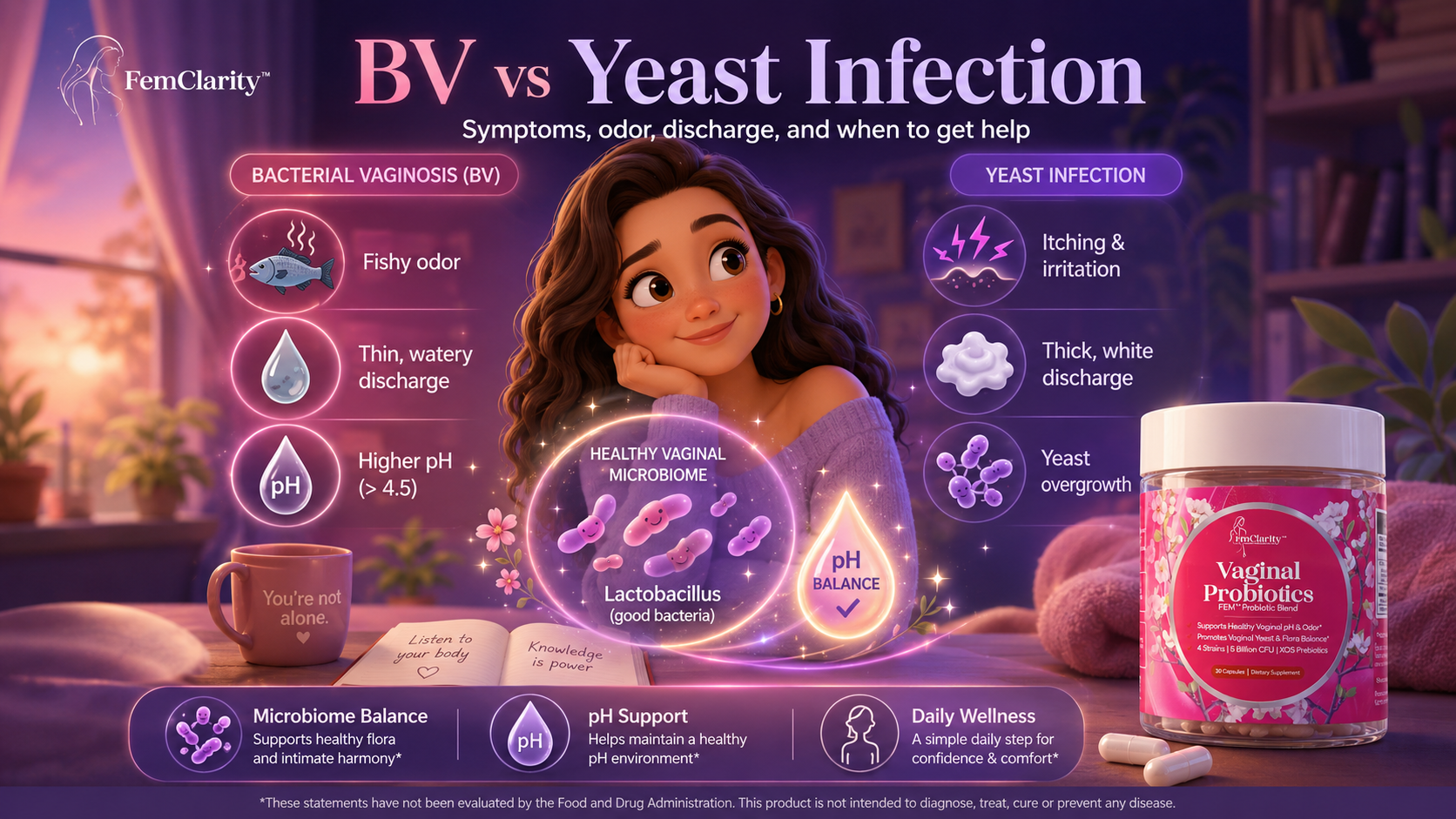
Lactobacillus and Vaginal Health are closely connected because Lactobacillus is one of the main types of beneficial bacteria commonly associated with a healthy vaginal microbiome. These bacteria help support healthy vaginal flora, normal vaginal pH balance, and everyday intimate wellness.
The goal is not to make vaginal health feel complicated or scary. Your vagina naturally has bacteria, and that is normal. In fact, certain bacteria can be part of a healthy, balanced environment. This guide explains what Lactobacillus is, why it matters, what can affect vaginal flora, and how women can support feminine wellness from within.
What Is Lactobacillus?

Lactobacillus is a group of beneficial bacteria that naturally lives in different parts of the body, including the gut, mouth, urinary tract, and vagina.
In the vaginal microbiome, Lactobacillus is often considered one of the most important types of bacteria because it helps support a balanced environment. A healthy vaginal microbiome is often rich in Lactobacillus, especially during the reproductive years.
One of the key things Lactobacillus does is produce lactic acid. Lactic acid helps maintain the vagina’s naturally acidic environment. This matters because vaginal acidity is connected to normal vaginal pH balance and healthy vaginal flora.
Put simply, Lactobacillus is not something to be afraid of. It is one of the “good bacteria” often linked with vaginal wellness.
Why Lactobacillus Matters for Vaginal Health

The vagina is not meant to be bacteria-free. A healthy vaginal environment includes a mix of microorganisms, and Lactobacillus often plays a major role in keeping that environment balanced.
Lactobacillus matters because it helps support the conditions that allow healthy vaginal flora to thrive. When Lactobacillus is present in healthy amounts, it contributes to an acidic vaginal environment. This is one reason Lactobacillus is commonly discussed in relation to vaginal pH balance, feminine comfort, and everyday intimate wellness.
This does not mean Lactobacillus is a cure for vaginal symptoms or infections. Vaginal odor, discharge, itching, burning, or discomfort can have many causes and should not be self-diagnosed. But understanding Lactobacillus can help women better understand how the vaginal microbiome works and why daily vaginal probiotic support may be part of a feminine wellness routine.
What Healthy Vaginal Flora Means

Vaginal flora refers to the bacteria and microorganisms that naturally live in the vagina. Healthy vaginal flora usually means the vaginal environment is balanced, comfortable, and supported by beneficial bacteria.
For many women, healthy vaginal flora is associated with Lactobacillus-dominant bacteria. These bacteria help support normal vaginal pH and may play a role in everyday freshness and comfort.
Healthy vaginal flora does not mean there is no odor at all. A mild natural scent is normal. It also does not mean discharge should disappear completely. Healthy vaginal discharge can be normal and may change throughout the menstrual cycle.
The key is knowing what is normal for your body. If odor becomes strong, discharge changes suddenly, or symptoms like itching, burning, pain, or irritation appear, it is best to speak with a healthcare provider.
How the Vaginal Microbiome Works

The vaginal microbiome is the community of bacteria and other microorganisms that live in the vaginal environment. Like the gut microbiome, it can shift based on internal and external factors.
A balanced vaginal microbiome is often associated with helpful bacteria, especially Lactobacillus. These bacteria help maintain an environment that supports normal vaginal pH balance.
The vaginal microbiome is also dynamic. It may change during your period, after sex, during pregnancy, around menopause, after antibiotic use, or when exposed to harsh hygiene products. These changes are common, but some changes may lead to symptoms that deserve medical attention.
The most important thing to remember is that your vaginal microbiome is not dirty or bad. It is a natural part of your body’s intimate wellness system.
How Lactobacillus Supports Normal Vaginal pH Balance
Vaginal pH refers to how acidic or less acidic the vaginal environment is. A normal vaginal pH is typically acidic, and Lactobacillus helps support this acidity by producing lactic acid.
This acidic environment is one reason Lactobacillus is so important for vaginal wellness. When the vagina’s pH stays within its normal range, many women feel more balanced and comfortable.
However, vaginal pH can shift. Semen, menstrual blood, antibiotics, hormonal changes, and certain hygiene products may temporarily affect vaginal pH. A pH shift does not automatically mean something is wrong, but if it comes with strong odor, unusual discharge, irritation, itching, burning, or pain, it is worth checking with a healthcare provider.
Why Vaginal pH Balance Matters
Vaginal pH balance matters because it is closely connected to healthy vaginal flora. When Lactobacillus is active in the vaginal microbiome, it helps create the acidic environment that supports feminine wellness.
A balanced pH may also support everyday odor balance. This does not mean Lactobacillus cures odor or that probiotics should be used to cover up symptoms. Strong or unusual odor can be a sign that you should speak with a healthcare provider.
Think of vaginal pH as one part of the bigger picture. It works together with healthy bacteria, hormones, hygiene habits, and overall wellness.
What Happens When Vaginal Flora Is Disrupted?

Vaginal flora can shift for many reasons. Sometimes these changes are temporary and mild. Other times, they may be connected to symptoms that need medical care.
When vaginal flora is disrupted, some women may notice changes in odor, discharge, comfort, or sensitivity. Others may experience itching, burning, or irritation. These symptoms can overlap with many different conditions, so it is not safe to assume the cause based on symptoms alone.
A disrupted feeling does not mean your body has failed. It simply means something may be changing in your vaginal environment. The best next step is to support your body gently and seek medical guidance when symptoms are unusual, painful, recurring, or worsening.
Common Factors That May Affect Lactobacillus Levels
Many everyday factors can affect vaginal flora and Lactobacillus levels. Some are completely normal, while others may be related to products or habits that irritate the vaginal area.
Antibiotics are one common factor. Antibiotics are designed to target bacteria causing infection, but they may also affect helpful bacteria in the body. This is why some women think about vaginal probiotics after antibiotic use.
Periods can also affect the vaginal microbiome. Menstrual blood has a different pH than the vagina’s usual acidic environment, so some women notice temporary odor or discharge changes around their period.
Sex may also influence vaginal pH because semen is less acidic than the vagina. This does not mean sex is bad for vaginal health, but it can be one reason some women notice temporary changes afterward.
Hormonal changes can matter too. Pregnancy, perimenopause, menopause, and hormonal birth control may all influence vaginal moisture, tissue comfort, pH, and flora.
Hygiene habits are another important factor. Douching, scented sprays, perfumed washes, and harsh soaps may irritate the vaginal area or interfere with natural balance. The vagina is self-cleaning, and the vulva usually only needs gentle care.
Antibiotics and Vaginal Flora
Antibiotics can be necessary and important, and they should be taken exactly as prescribed unless your healthcare provider says otherwise.
Because antibiotics affect bacteria, some women become more aware of their gut and vaginal microbiome during or after an antibiotic course. You may hear women talk about probiotics after antibiotics for this reason.
A vaginal probiotic is not a treatment for antibiotic side effects or vaginal symptoms. However, some women choose Lactobacillus probiotics for women as part of a daily wellness routine focused on healthy vaginal flora, normal pH balance, and feminine comfort.
If you experience strong odor, unusual discharge, severe itching, burning, pelvic pain, fever, or urinary symptoms after taking antibiotics, speak with a healthcare provider instead of trying to guess what is happening.
Periods and Vaginal Microbiome Changes
It is common for your vaginal environment to feel slightly different before, during, or after your period. Hormonal shifts, menstrual blood, pads, tampons, menstrual cups, and moisture changes may all influence how your vagina feels.
Some women notice a stronger scent during their period. Others notice changes in discharge before or after bleeding. These changes can be normal, but they should not be painful, severe, or paired with strong odor or unusual discharge color.
Supporting your vaginal microbiome during your cycle can be simple. Change menstrual products regularly, avoid scented period products if they irritate you, and choose breathable underwear when possible.
Sex and Vaginal pH Balance
Sex can temporarily affect vaginal pH balance. Semen has a different pH than the vagina, so some women may notice a temporary change in scent or discharge after sex.
Lubricants, condoms, spermicides, and friction may also affect comfort for some women. If you notice irritation after sex, it may help to review the products you are using and speak with a healthcare provider if symptoms continue.
Pain, bleeding, strong odor, burning, or recurring discomfort after sex should not be ignored. These symptoms deserve proper care.
Hormonal Changes, Pregnancy, Perimenopause, and Menopause
Hormones can influence the vaginal microbiome. Estrogen, in particular, is connected to vaginal tissue health, moisture, and the environment that supports Lactobacillus.
During pregnancy, the vaginal environment may shift because of hormonal changes. During perimenopause and menopause, lower estrogen levels may affect vaginal moisture, comfort, and pH balance.
These life stages are normal, but symptoms like dryness, burning, pain, unusual odor, bleeding, or recurring discomfort should be discussed with a healthcare provider. Women in pregnancy should always seek medical guidance before starting new supplements, including probiotics.
Douching, Scented Products, and Harsh Hygiene Habits
Many women are taught to worry about vaginal odor, but the vagina is not supposed to smell like perfume. A natural scent is normal.
Douching, scented sprays, perfumed wipes, and harsh intimate washes may do more harm than good for some women. These products can irritate the vulva or interfere with the vaginal environment.
A gentle routine is usually better. Wash the outside vulva with water or a mild, fragrance-free cleanser if needed. Avoid putting scented products inside the vagina. Let your body’s natural system do its job.
Common Lactobacillus Strains Discussed for Vaginal Wellness
There are many Lactobacillus strains, and they are not all the same. Different strains may be studied or used for different wellness purposes.
Lactobacillus crispatus is commonly discussed because it is often associated with a Lactobacillus-dominant vaginal microbiome and normal vaginal acidity.
Lactobacillus rhamnosus is often discussed in probiotic formulas for women and is commonly found in feminine wellness probiotic conversations.
Lactobacillus reuteri is another strain often included in discussions around probiotics for vaginal health and women’s microbiome support.
Lactobacillus gasseri is one of the Lactobacillus species naturally found in some vaginal microbiomes.
The “best probiotics for vaginal health” depend on the formula, strain selection, product quality, and your wellness goals. A higher number on the label does not automatically make a probiotic better.
General Probiotics vs Vaginal Probiotics

General probiotics are often designed for digestive wellness. They may support gut microbiome balance, regularity, or digestive comfort.
Vaginal probiotics are designed with feminine wellness in mind. They usually focus on healthy vaginal flora, vaginal microbiome support, and normal vaginal pH balance.
This difference matters because the gut microbiome and vaginal microbiome are not the same. A probiotic made for digestion may not be the same as a daily vaginal probiotic made for intimate wellness.
If your goal is feminine wellness, it makes sense to look for a vaginal health supplement that clearly explains its purpose and uses responsible, supportive language.
How Vaginal Probiotics May Support Feminine Wellness
Vaginal probiotics may support feminine wellness by helping maintain healthy vaginal flora and normal pH balance. They are not a treatment for infections, odor, itching, discharge, BV, yeast infections, UTIs, STIs, or any medical condition.
A responsible vaginal probiotic should be positioned as daily support, not a quick fix. It should be part of a broader wellness routine that includes gentle hygiene, hydration, balanced nutrition, and medical care when needed.
While vaginal probiotics are not a treatment for infections or vaginal symptoms, FemClarity Vaginal Probiotics are designed to support healthy vaginal flora, normal pH balance, and everyday feminine wellness from within.
Lifestyle Tips to Support Healthy Vaginal Flora
Supporting healthy vaginal flora does not have to be complicated. Many of the most helpful habits are simple and gentle.
Avoid douching and heavily scented intimate products. Choose breathable underwear when possible. Change out of sweaty clothes after workouts. Stay hydrated. Eat a balanced diet with fiber-rich foods. Use antibiotics only as prescribed. Pay attention to changes in your body without panicking or self-diagnosing.
Fermented foods like yogurt with live cultures, kefir, kimchi, sauerkraut, and miso may support overall microbiome wellness for some people. Prebiotic-rich foods like oats, bananas, onions, garlic, asparagus, beans, and whole grains may also help nourish beneficial bacteria in the gut.
Food and lifestyle habits are not treatments for vaginal infections, but they can support overall wellness.
What to Avoid When Supporting Vaginal Balance
When trying to support vaginal balance, avoid products or habits that promise to “reset,” “detox,” or “perfume” the vagina. The vagina does not need detoxing.
Be cautious with products that claim to cure odor, stop discharge, treat BV, cure yeast infections, prevent infections, or replace medical care. These claims are not appropriate for a supplement.
Also avoid using leftover antibiotics, skipping prescribed antibiotics, or self-treating recurring symptoms without a healthcare provider. Vaginal symptoms can look similar even when the cause is different, so proper guidance matters.
How FemClarity Vaginal Probiotics May Fit Into a Daily Routine
FemClarity Vaginal Probiotics may fit into a daily routine for women who want Lactobacillus-focused vaginal microbiome support from within.
A simple feminine wellness routine may include gentle hygiene, breathable clothing, hydration, balanced nutrition, and a daily vaginal probiotic. For women looking for probiotics for vaginal health, FemClarity is designed to support healthy vaginal flora, normal vaginal pH balance, and everyday feminine wellness.
As always, this type of support should not replace medical care. If you have symptoms that are severe, recurring, painful, unusual, or worsening, speak with a healthcare provider.
When to Speak With a Healthcare Provider
You should speak with a healthcare provider if vaginal symptoms feel unusual for you or do not improve. This is especially important if symptoms are severe, recurring, painful, worsening, or paired with fever, pelvic pain, bleeding, pregnancy concerns, unusual discharge, strong odor, itching, burning, or urinary symptoms.
You should also seek guidance before starting probiotics if you are pregnant, immunocompromised, taking immune-suppressing medications, or managing a serious health condition.
Your vaginal health is personal, and you deserve clear answers instead of guessing.
FAQs About Lactobacillus and Vaginal Health
What is Lactobacillus?
Lactobacillus is a group of beneficial bacteria found in different parts of the body, including the vagina. In vaginal wellness, Lactobacillus is often associated with healthy vaginal flora and normal vaginal pH balance.
Why is Lactobacillus important for vaginal health?
Lactobacillus is important because it helps support the vagina’s naturally acidic environment. This acidity is connected to healthy vaginal flora and overall vaginal microbiome balance.
What does Lactobacillus do in the vagina?
Lactobacillus helps produce lactic acid, which supports normal vaginal pH balance. It is one of the key bacteria commonly linked with a healthy vaginal microbiome.
How does Lactobacillus support vaginal pH balance?
Lactobacillus contributes to lactic acid production. Lactic acid helps maintain the acidic environment that is normal for the vagina.
What are the best Lactobacillus strains for vaginal health?
Common Lactobacillus strains discussed for vaginal wellness include Lactobacillus crispatus, Lactobacillus rhamnosus, Lactobacillus reuteri, and Lactobacillus gasseri. The best choice depends on the formula, quality, and intended use of the probiotic.
Can antibiotics affect Lactobacillus?
Antibiotics may affect helpful bacteria in the body, including bacteria connected to gut and vaginal balance. If you notice unusual symptoms during or after antibiotics, speak with a healthcare provider.
Are vaginal probiotics different from regular probiotics?
Yes, they can be. Regular probiotics are often focused on digestive wellness, while vaginal probiotics are designed to support healthy vaginal flora, normal pH balance, and feminine wellness from within.
Can Lactobacillus probiotics support vaginal odor balance?
Lactobacillus probiotics may support healthy vaginal flora and normal vaginal pH balance, which are connected to everyday feminine freshness. However, probiotics should not be claimed to cure odor. Strong or unusual odor should be discussed with a healthcare provider.
Can probiotics prevent yeast infections or BV?
No. Probiotics should not be claimed to prevent yeast infections, BV, or any vaginal infection. If you have symptoms such as itching, burning, unusual discharge, strong odor, or pelvic discomfort, speak with a healthcare provider.
When should I see a doctor for vaginal symptoms?
You should see a healthcare provider if symptoms are severe, recurring, unusual, painful, worsening, or paired with fever, pelvic pain, bleeding, pregnancy concerns, unusual discharge, strong odor, itching, burning, or urinary symptoms.
Final Thoughts
Lactobacillus plays an important role in vaginal microbiome balance, healthy vaginal flora, and normal vaginal pH. It is one of the key types of beneficial bacteria commonly connected to feminine wellness.
Understanding Lactobacillus can help women feel more informed and less anxious about vaginal health. Your body naturally has bacteria, and many of them are there to support balance.
For women looking to support everyday intimate wellness from within, FemClarity Vaginal Probiotics may fit into a daily feminine wellness routine. They are designed to support healthy vaginal flora, normal pH balance, and vaginal microbiome wellness while keeping care simple, gentle, and supportive.