




BV vs Yeast Infection: Symptoms, Odor, Discharge, and When to Get Help
If you are searching for BV vs Yeast Infection, you may have noticed something feels different maybe odor, itching, discharge changes, irritation, burning, or general vaginal discomfort. First, take a breath. Vaginal symptoms are common, and they do not mean you did anything wrong.
BV and yeast infections can feel confusing because some symptoms overlap. But they are not the same thing. BV is usually connected to an imbalance in vaginal bacteria, while a yeast infection is usually connected to an overgrowth of yeast.
This guide will walk you through the major differences, what symptoms may look like, how vaginal pH and the microbiome are involved, and when it is time to speak with a healthcare provider.
What Is BV?

BV stands for bacterial vaginosis. It happens when the normal balance of bacteria in the vagina shifts. The vagina naturally contains bacteria, and that is not a bad thing. In fact, beneficial bacteria such as Lactobacillus are commonly associated with healthy vaginal flora and normal vaginal pH balance.
With BV, the vaginal environment may become less Lactobacillus-dominant and more favorable to other types of bacteria. This shift can lead to symptoms such as a fishy odor, thin discharge, or a feeling that something is “off.”
BV is common, but it should not be ignored. If you think you may have BV, a healthcare provider can test and guide you toward the right care.
What Is a Yeast Infection?

A yeast infection is usually caused by an overgrowth of Candida, a type of yeast that can naturally live in the body. Like bacteria, yeast can be present without causing a problem. Symptoms may appear when yeast grows beyond its usual balance.
Yeast infections are often associated with itching, irritation, redness, burning, and thick white discharge. Some women describe the discharge as looking like cottage cheese, though not everyone has the same symptoms.
A yeast infection is different from BV, and the care approach may be different too. That is why guessing based only on symptoms can be tricky.
BV vs Yeast Infection: Quick Comparison Table

Feature |
BV |
Yeast Infection |
|
Main issue |
Bacterial imbalance in the vagina |
Yeast overgrowth, often Candida |
|
Common odor |
Fishy vaginal odor, often stronger after sex or during period |
Usually little to no strong odor |
|
Common discharge |
Thin, watery, grayish or white discharge |
Thick, white, clumpy discharge |
|
Itching |
May happen, but often less intense |
Often common and noticeable |
|
Burning or irritation |
Can happen |
Can happen, especially with itching |
|
Vaginal pH |
Often higher than normal |
Often stays within normal acidic range |
|
Can symptoms overlap? |
Yes |
Yes |
|
Testing helpful? |
Yes, especially if symptoms are new or recurring |
Yes, especially if unsure or recurring |
This table can help you understand common patterns, but it cannot diagnose you. Symptoms can overlap, and testing may be needed.
Main Symptom Differences
The biggest difference between BV symptoms vs yeast infection symptoms often comes down to odor, discharge, itching, and pH.
BV is more often associated with fishy vaginal odor and thin discharge. Yeast infections are more often associated with itching, irritation, and thick white discharge.
Still, bodies do not always follow textbook patterns. Some women with BV may feel itching. Some women with yeast infections may have discharge that does not look classic. Some women may have more than one issue at the same time.
That is why medical testing can be helpful, especially when symptoms are new, recurring, or uncomfortable.

Discharge Differences
When comparing yeast infection vs BV discharge, the texture and color may offer clues.
BV discharge is often thin, watery, grayish, or white. It may feel more noticeable than usual and may come with a fishy odor.
Yeast infection discharge is often thick, white, and clumpy. It may not have a strong smell, but it may come with itching, redness, irritation, or burning.
Discharge can also change during your cycle, after sex, during pregnancy, or because of hormonal changes. So while discharge is helpful to notice, it should not be the only thing used to decide what is going on.
Odor Differences
BV smell vs yeast infection smell is one of the most searched comparisons for a reason.
BV is commonly linked with a fishy vaginal odor. Some women notice the odor more after sex or during their period. This can feel embarrassing, but it is a common reason women seek care.
Yeast infections usually do not cause a strong fishy odor. If odor is strong, unusual, or paired with discharge changes, it is best to speak with a healthcare provider.
It is also important to remember that the vagina naturally has a scent. Not every odor is a medical problem. But a strong, fishy, sudden, or unpleasant odor deserves attention.
Itching, Burning, and Irritation Differences

Vaginal itching is more commonly associated with yeast infections, especially when it comes with redness, swelling, soreness, or thick white discharge.
BV can sometimes cause irritation or discomfort, but itching is often not the main symptom. However, this is not a rule. Some women may feel itching with BV, and some may have irritation from other causes entirely.
Burning during urination, pain during sex, severe irritation, or recurring symptoms should be discussed with a healthcare provider. These symptoms can overlap with other conditions, including UTIs, STIs, or skin irritation.
Vaginal pH Differences
Vaginal pH balance can help explain the difference between BV and yeast infections.
A healthy vaginal environment is usually acidic. Lactobacillus bacteria help support this acidic environment by producing lactic acid. This is one reason healthy vaginal flora is so important.
With BV, vaginal pH is often higher than normal. With yeast infections, vaginal pH often remains within the normal acidic range.
However, pH alone is not enough to diagnose yourself. Home pH tests may be confusing, and they cannot tell you everything. If symptoms are concerning, testing with a healthcare provider is the safer choice.
What Causes BV?
BV is usually connected to a shift in the vaginal microbiome. This means the balance of bacteria in the vagina changes.
Several factors may be associated with vaginal microbiome changes, including sex, new sexual partners, menstruation, douching, scented products, and other hygiene practices that may disrupt the vaginal environment.
BV is not about being dirty. The vagina is a self-cleaning environment, and imbalance can happen even when someone is careful with hygiene.
What Causes Yeast Infections?
Yeast infections are usually connected to an overgrowth of yeast, commonly Candida. This may happen when the vaginal environment changes in a way that allows yeast to grow more than usual.
Possible triggers may include antibiotic use, hormonal changes, pregnancy, diabetes, immune system changes, moisture, tight clothing, or irritation from certain products.
Again, this is not about shame or cleanliness. Yeast can naturally live in the body. Symptoms may occur when the balance shifts.
Why Symptoms Can Overlap
BV and yeast infections can both cause vaginal discomfort, discharge changes, irritation, and burning. Other conditions can cause similar symptoms too.
For example, UTIs, STIs, skin allergies, dermatitis, hormonal dryness, and reactions to hygiene products may all create discomfort that feels similar.
This is why self-diagnosis is not always reliable. If symptoms are new, severe, recurring, unusual, or not improving, it is best to get checked.
Why Testing May Be Needed
Testing can help confirm what is actually happening. This matters because BV and yeast infections are different and may require different care.
A healthcare provider may ask about symptoms, examine the area, check vaginal pH, look at discharge, or run lab testing. This can help avoid using the wrong product or delaying proper care.
If you are pregnant, have pelvic pain, fever, bleeding, urinary symptoms, STI concerns, or recurring symptoms, do not rely on guesswork. Seek medical guidance.
Can BV and a Yeast Infection Happen at the Same Time?
Yes, it is possible to have more than one type of vaginal issue at the same time. This can make symptoms even more confusing.
For example, someone may notice odor and discharge changes along with itching or irritation. In that case, it may not be clear from symptoms alone whether it is BV, a yeast infection, both, or something else.
This is another reason testing can be important. The right care depends on the cause.
How Antibiotics May Affect Vaginal Flora
Antibiotics can be necessary for bacterial infections and should be taken exactly as prescribed unless a healthcare provider tells you otherwise.
Because antibiotics affect bacteria, they may also affect helpful bacteria in the body, including bacteria connected to the gut and vaginal microbiome. Some women notice vaginal changes after antibiotics, such as itching, discharge changes, or a feeling of imbalance.
If symptoms appear after antibiotics, it is still important not to assume the cause. A healthcare provider can help determine whether it is yeast, BV, another infection, irritation, or something else.
How Sex, Periods, Hormones, Pregnancy, and Hygiene Products May Affect Vaginal Balance

The vaginal microbiome is dynamic. It can shift throughout life and even throughout the month.
Sex may temporarily affect vaginal pH because semen has a different pH than the vagina’s usual acidic environment. Periods may also affect scent or discharge because menstrual blood can temporarily change the vaginal environment.
Hormonal changes can matter too. Pregnancy, perimenopause, menopause, and hormonal birth control may influence vaginal moisture, tissue comfort, and pH balance.
Hygiene products can also play a role. Douching, scented sprays, perfumed wipes, and harsh washes may irritate the vulva or interfere with normal balance for some women. The vagina does not need to smell like perfume. A mild natural scent is normal.
What to Avoid When Symptoms Appear
When symptoms appear, it can be tempting to try every product quickly. But that can make irritation worse or delay proper care.
Avoid douching, scented vaginal sprays, harsh soaps, and using leftover medication. Avoid assuming every symptom is yeast, especially if there is a strong fishy odor, unusual discharge, pelvic pain, fever, bleeding, or recurring discomfort.
It is also best not to use antibiotics, antifungals, or other treatments unless they are appropriate for the actual cause. When in doubt, speak with a healthcare provider.
How the Vaginal Microbiome Supports Everyday Balance
The vaginal microbiome is the community of bacteria and other microorganisms that naturally live in the vagina. A balanced vaginal microbiome is often associated with healthy vaginal flora and normal vaginal pH balance.
Lactobacillus is one of the beneficial bacteria commonly discussed in vaginal wellness. It helps support the vagina’s naturally acidic environment, which is part of everyday feminine balance.
Supporting the vaginal microbiome is not about trying to make the vagina sterile. It is about helping maintain the natural environment that supports comfort, freshness, and intimate wellness.
The Role of Lactobacillus and Healthy Vaginal Flora
Healthy vaginal flora often includes Lactobacillus bacteria. These bacteria are commonly associated with normal vaginal pH balance and overall vaginal wellness.
When vaginal flora shifts, some women may notice odor, discharge, irritation, or discomfort. But symptoms should not be treated as a simple guessing game. BV, yeast infections, UTIs, STIs, and irritation can overlap.
Lactobacillus probiotics may be part of a daily feminine wellness routine, but they are not a treatment for active symptoms or infections.
How Vaginal Probiotics May Support Feminine Wellness
Vaginal probiotics are designed with feminine wellness in mind. They may support healthy vaginal flora, normal vaginal pH balance, and everyday intimate wellness from within.
This is different from saying they cure or treat vaginal symptoms. Probiotics should not be used as a replacement for testing, antibiotics, antifungals, or medical care.
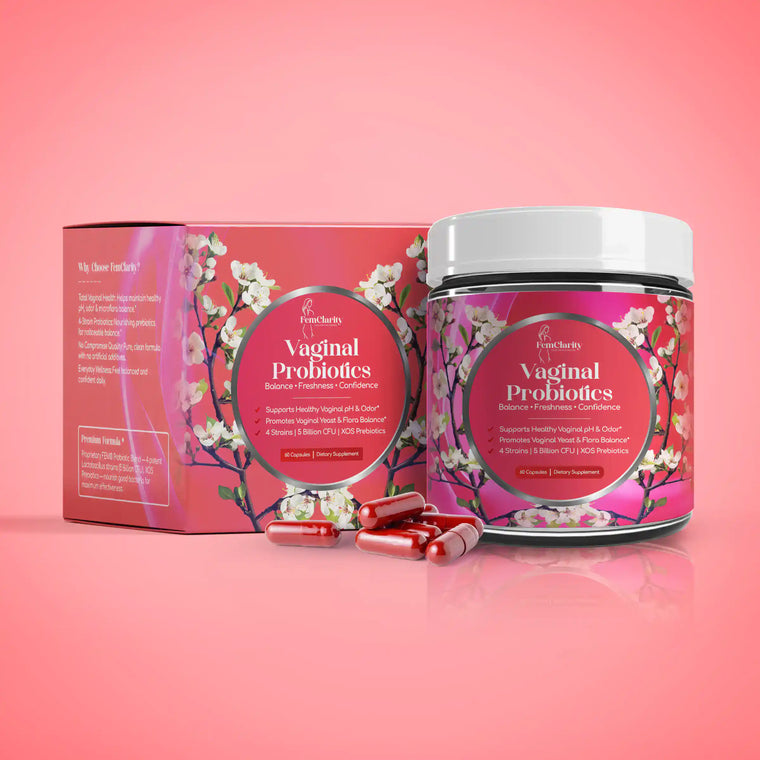
While vaginal probiotics are not a treatment for BV, yeast infections, or active symptoms, FemClarity Vaginal Probiotics are designed to support healthy vaginal flora, normal pH balance, and everyday feminine wellness from within.
How FemClarity Vaginal Probiotics May Fit Into a Daily Routine

FemClarity Vaginal Probiotics may fit into a daily routine for women who want to support their vaginal microbiome and feminine wellness from within.
A gentle daily routine may include wearing breathable underwear, avoiding douching and scented intimate products, staying hydrated, supporting overall wellness with balanced nutrition, and using a daily vaginal probiotic for microbiome support.
FemClarity Vaginal probiotics is not a replacement for medical care. If you have symptoms that are severe, recurring, unusual, painful, worsening, or pregnancy-related, speak with a healthcare provider.
When to Speak With a Healthcare Provider
You should speak with a healthcare provider if vaginal symptoms are severe, recurring, unusual, painful, worsening, or confusing.
This is especially important if symptoms are paired with fever, pelvic pain, bleeding, pregnancy concerns, unusual discharge, strong odor, itching, burning, urinary symptoms, or STI concerns.
You should also seek care if you have tried something and symptoms are not improving, or if symptoms keep coming back. You deserve clear answers and care that fits the actual cause.
FAQs
What is the main difference between BV and a yeast infection?
BV is usually connected to an imbalance in vaginal bacteria. A yeast infection is usually connected to an overgrowth of yeast, often Candida. They can cause overlapping symptoms, so testing may be needed.
How can I tell if it is BV or a yeast infection?
Commonly, BV is linked with fishy odor and thin grayish discharge, while yeast infections are linked with itching and thick white discharge. But symptoms can overlap, so you should not rely on symptoms alone for a diagnosis.
Does BV smell different from a yeast infection?
BV is often associated with a fishy vaginal odor. Yeast infections usually do not cause a strong fishy smell. Strong or unusual odor should be discussed with a healthcare provider.
What does BV discharge look like compared to yeast infection discharge?
BV discharge is often thin, watery, grayish, or white. Yeast infection discharge is often thick, white, and clumpy. However, discharge can vary, and testing may be needed.
Can BV cause itching like a yeast infection?
BV can sometimes cause irritation or itching, but itching is more commonly associated with yeast infections. Because symptoms can overlap, it is best to speak with a healthcare provider if you are unsure.
Can you have BV and a yeast infection at the same time?
Yes, it is possible to have both at the same time. Mixed symptoms can make self-diagnosis difficult, so testing can be helpful.
Can probiotics help support vaginal balance?
Vaginal probiotics may support healthy vaginal flora, normal vaginal pH balance, and feminine wellness from within. They should not be used to treat BV, yeast infections, odor, itching, discharge, or active symptoms.
Can vaginal pH help tell the difference between BV and yeast infection?
Vaginal pH may offer clues. BV is often linked with higher vaginal pH, while yeast infections often occur with normal vaginal pH. However, pH alone cannot confirm a diagnosis.
Should I treat BV or yeast infection at home?
It is best not to guess, especially if symptoms are new, severe, recurring, unusual, or pregnancy-related. BV and yeast infections may need different care, and testing can help guide the right next step.
When should I see a doctor for vaginal symptoms?
See a healthcare provider if symptoms are severe, recurring, unusual, painful, worsening, or paired with fever, pelvic pain, bleeding, pregnancy concerns, unusual discharge, strong odor, itching, burning, urinary symptoms, or STI concerns.
Final Thoughts
BV and yeast infections can feel confusing because both may involve discharge changes, irritation, burning, or discomfort. But they are different types of vaginal imbalance, and they may need different care.
Understanding odor, discharge, itching, and vaginal pH differences can help you know what to pay attention to. Still, symptoms can overlap, and testing may be needed to understand what is really going on.
For everyday feminine wellness, supporting the vaginal microbiome matters. FemClarity Vaginal Probiotics are designed to support healthy vaginal flora, normal vaginal pH balance, and daily intimate wellness from within. They are not a treatment for BV, yeast infections, or active symptoms, but they may fit into a gentle routine focused on vaginal balance and long-term feminine wellness.