





Probiotics After Antibiotics: What Women Should Know About Gut and Vaginal Balance
After taking antibiotics, it is completely normal to wonder what your body needs next. Many women search for Probiotics After Antibiotics because they want to support their gut, vaginal microbiome, vaginal pH balance, and healthy vaginal flora after a medication course.
Antibiotics can be important and sometimes necessary. They are prescribed to treat bacterial infections and should be taken exactly as directed unless your healthcare provider tells you otherwise. At the same time, antibiotics may affect helpful bacteria along with harmful bacteria, which is why some women become more aware of their microbiome after using them.
For some, that concern is digestive. For others, it is more intimate, changes in vaginal odor, discharge, comfort, or pH balance. This guide explains what women should know about probiotics after antibiotics, how gut and vaginal probiotics differ, when timing may matter, and how to support everyday feminine wellness in a calm, responsible way.
Can You Take Probiotics After Antibiotics?

Yes, many people take probiotics after antibiotics as part of a microbiome-support routine. Probiotics are live microorganisms that are commonly used to support gut health, digestive balance, and overall microbial wellness.
For women, the conversation often goes beyond digestion. Antibiotic use may lead some women to think about healthy vaginal flora, vaginal pH balance, and intimate wellness. This does not mean probiotics are a treatment for infections or antibiotic side effects. Instead, probiotics may be one supportive part of a broader wellness routine.
It is also important to keep expectations realistic. Probiotics do not replace antibiotics, medical care, or a proper diagnosis. If your healthcare provider prescribed antibiotics, take them exactly as instructed unless your provider tells you to stop or change your dose.
Should You Take Probiotics During Antibiotics or After Antibiotics?

One of the biggest questions women have is whether probiotics should be taken during antibiotics, after antibiotics, or both.
Some people choose to take probiotics during their antibiotic course and continue them afterward. Others prefer to begin after they finish their medication. The best timing can depend on the type of antibiotic, the probiotic formula, your health history, and your provider’s advice.
A common approach is to separate probiotics and antibiotics by a few hours. This may help reduce the chance that the antibiotic interferes with the probiotic organisms. However, timing can vary, so it is best to follow the directions on your medication and ask your healthcare provider or pharmacist if you are unsure.
If you are pregnant, immunocompromised, taking immune-suppressing medication, or managing a chronic health condition, speak with a healthcare provider before starting any probiotic supplement.
How Antibiotics Affect the Microbiome

Your body is home to many communities of microorganisms. These include bacteria, yeast, and other microbes that naturally live in places like the gut, skin, mouth, and vagina. Together, these communities are often called the microbiome.
Antibiotics are designed to target bacteria that may be causing an infection. But antibiotics may also affect helpful bacteria. This is one reason some people notice digestive changes during or after antibiotic use.
The gut microbiome plays a role in digestion, immune function, nutrient processing, and overall microbial balance. When the balance of bacteria changes, some people may notice temporary changes in how their stomach feels, such as bloating, digestive discomfort, or looser stools.
For women, antibiotics may also raise questions about the vaginal microbiome.
Why Antibiotics May Affect Vaginal Flora
The vaginal microbiome is its own delicate ecosystem. It is different from the gut microbiome, but both are part of the body’s overall microbial balance.
Healthy vaginal flora is commonly associated with beneficial Lactobacillus bacteria. These bacteria help support the naturally acidic environment of the vagina, which is an important part of normal vaginal pH balance.
Because antibiotics may affect bacteria throughout the body, some women notice vaginal changes during or after antibiotic use. These changes may include odor, discharge, irritation, or yeast-like discomfort. However, these symptoms can have many possible causes, so it is important not to self-diagnose.
Vaginal symptoms should be discussed with a healthcare provider if they are strong, persistent, painful, recurring, or unusual for you.
Gut Microbiome vs Vaginal Microbiome

The gut microbiome and vaginal microbiome are both important, but they are not the same.
The gut microbiome refers to the community of microbes in your digestive tract. General probiotics are often designed to support digestive wellness, gut microbial balance, and bowel regularity. These formulas may include strains commonly associated with gut health.
The vaginal microbiome refers to the bacteria and other microorganisms that naturally live in the vaginal environment. A healthy vaginal microbiome is often associated with Lactobacillus-dominant flora and normal vaginal pH balance.
This is why probiotics for women after antibiotics may be different from a basic digestive probiotic. If your main concern is gut support, a general probiotic may make sense. If your main concern is feminine wellness, healthy vaginal flora, and vaginal pH balance, a vaginal probiotic may be more aligned with what you are looking for.
Why Lactobacillus Matters for Vaginal Wellness

Lactobacillus is one of the most commonly discussed types of bacteria in vaginal wellness. A Lactobacillus-rich vaginal environment is often associated with healthy vaginal flora and normal vaginal pH.
The vagina naturally has an acidic pH, and healthy bacteria help support that environment. When vaginal pH shifts, some women may notice changes in odor, discharge, or comfort. These changes do not always mean something serious is happening, but they can be a sign that it is time to pay attention and, when needed, speak with a healthcare provider.
Not all Lactobacillus probiotics are the same. Different strains may be used for different types of support. Some are more commonly discussed for digestive wellness, while others are often associated with feminine health. When choosing Lactobacillus probiotics, it helps to look for a formula that clearly explains its intended purpose.
Antibiotics and Vaginal pH Balance

Vaginal pH balance is an important part of intimate wellness. A normal vaginal environment is usually acidic, and beneficial bacteria help support that balance.
Because antibiotics may affect bacterial balance, some women become more aware of vaginal pH after antibiotic use. They may notice changes in odor, discharge, or general comfort. These changes can feel frustrating, especially when you were taking antibiotics to address one health issue and now feel like your intimate balance is different.
The most important thing is not to panic. Vaginal odor, discharge, itching, and irritation can have many causes, including yeast infections, BV, UTIs, STIs, skin irritation, hormonal changes, hygiene products, or other factors. A healthcare provider can help determine what is actually going on.
Why Some Women Notice Odor, Discharge, or Yeast-Like Symptoms After Antibiotics
Some women notice intimate changes after taking antibiotics. This may include a different odor, unusual discharge, itching, irritation, or a yeast-like feeling. These symptoms can be uncomfortable and emotionally stressful, but they should not be guessed at or ignored.
It is especially important to speak with a healthcare provider if symptoms are severe, recurring, worsening, or unusual for you. You should also get medical advice if symptoms are paired with fever, pelvic pain, unusual bleeding, pregnancy concerns, burning while urinating, strong odor, unusual discharge color, severe diarrhea, dehydration, or signs of an allergic reaction.
Your body deserves clear answers, not confusion or shame.
What Probiotic Strains Are Commonly Discussed After Antibiotics?
Different probiotic strains are discussed for different reasons. For general antibiotic-related gut support, strains such as Lactobacillus rhamnosus GG and Saccharomyces boulardii are commonly mentioned in health education.
For feminine wellness, Lactobacillus strains are often discussed because of their connection to healthy vaginal flora and normal vaginal pH balance.
The key point is that strain choice matters. A probiotic is not simply “good bacteria” in a general sense. The strain, formula, quality, and intended use all matter. A probiotic designed for digestive support may not be the same as a daily vaginal probiotic designed for feminine wellness.
General Probiotics vs Vaginal Probiotics
A general probiotic is usually focused on digestive wellness. It may be designed to support gut microbial balance, regularity, and overall digestive comfort.
A vaginal probiotic is designed with feminine wellness in mind. These formulas are typically created to support healthy vaginal flora, normal vaginal pH balance, and intimate health from within.
This does not mean one type is always better than the other. It simply means the best probiotics after antibiotics depend on your personal wellness goals. If your main concern is digestion, a gut-focused probiotic may be a better fit. If your main concern is vaginal microbiome support, vaginal probiotics may be more relevant.
How Long Should Women Consider Taking Probiotics After Antibiotics?
There is no perfect timeline for everyone. Some women take probiotics during their antibiotic course and continue for a short time afterward. Others choose to use probiotics as part of their daily wellness routine.
If you are wondering how long to take probiotics after antibiotics, it may help to think about your goal. Are you looking for temporary microbiome support after a medication course, or are you looking for ongoing feminine wellness support? Your answer may help guide your routine.
Consistency matters. A probiotic is usually most helpful when taken regularly as directed, rather than randomly once or twice. If you are unsure what makes sense for your body, ask your healthcare provider or pharmacist.
How to Choose Probiotics After Antibiotics

Choosing probiotics after antibiotics can feel overwhelming because there are so many options. The best place to start is with your wellness goal.
If you are mainly looking for digestive support, consider a probiotic designed for gut health. If you are focused on feminine wellness, vaginal probiotics may be a better match. Women looking for vaginal microbiome support often choose formulas that include Lactobacillus probiotics and are designed to support healthy vaginal flora and normal vaginal pH balance.
It is also important to read the label carefully. Look for clear strain information, serving instructions, storage directions, and a brand that uses responsible language. A trustworthy probiotic brand should explain what the product is designed to support without promising to cure, treat, or prevent medical conditions.
What to Avoid When Choosing a Probiotic
Avoid choosing a probiotic only because it has the highest CFU number. More is not always better. The strain, formula purpose, product quality, and consistency of use can matter just as much.
It is also smart to be cautious with any product that promises instant results or claims to cure yeast infections, treat BV, stop odor permanently, prevent infections, or replace medical care. Those types of claims should be a red flag.
Your feminine health should never be marketed with fear or shame. A good probiotic should support your wellness routine, not make you feel anxious about your body.
Foods That Support Microbiome Health
Food can also play a supportive role after antibiotics. A balanced diet with fiber-rich foods can help nourish the gut microbiome. Fermented foods may also be helpful for some people if they tolerate them well.
Examples include yogurt with live and active cultures, kefir, sauerkraut, kimchi, miso, tempeh, oats, beans, lentils, berries, bananas, asparagus, garlic, onions, and whole grains. Staying hydrated is also helpful for overall wellness.
Food is not a replacement for medical care, and it will not treat an infection. But nourishing your body after a medication course can be a gentle way to support overall balance.
Lifestyle Tips for Feminine Wellness After Antibiotics

After antibiotics, simple habits can support everyday feminine wellness. Avoid douching, scented vaginal sprays, and harsh intimate washes, because these can be irritating for some women. Wearing breathable underwear, changing out of sweaty clothes after workouts, staying hydrated, and getting enough rest can also support general intimate comfort.
It is also important to use antibiotics responsibly. Take them exactly as prescribed, do not stop early unless your healthcare provider tells you to, and do not use leftover antibiotics or someone else’s prescription.
The goal is not to control your body out of fear. The goal is to support your body with calm, consistent habits.
How FemClarity Vaginal Probiotics May Fit Into a Daily Routine
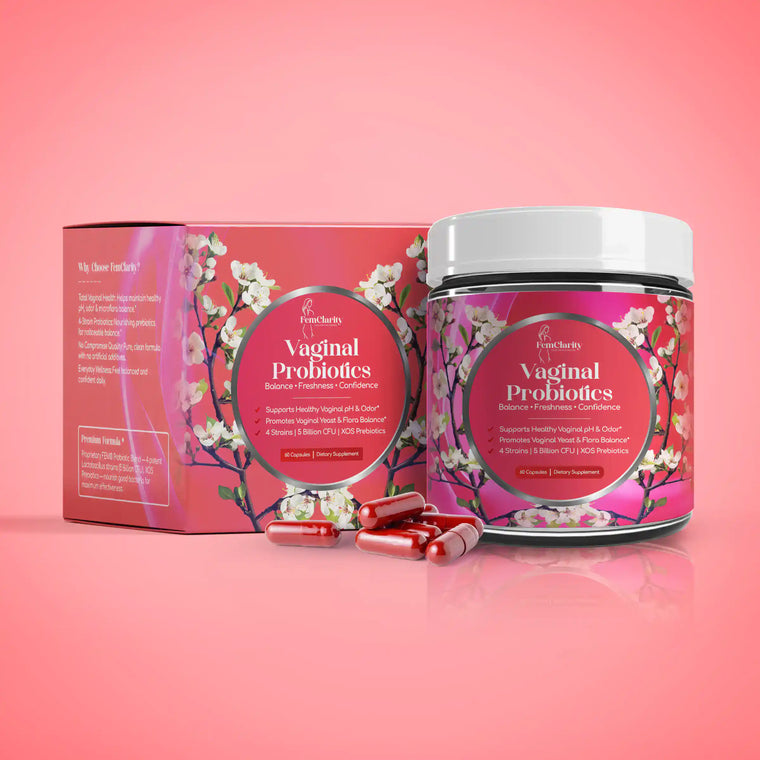
While vaginal probiotics are not a treatment for infections or antibiotic side effects, FemClarity Vaginal Probiotics are designed to support healthy vaginal flora, normal vaginal pH balance, and everyday feminine wellness from within.
For women thinking about vaginal probiotics after antibiotics, FemClarity may fit naturally into a daily routine focused on microbiome support and intimate wellness. This may include taking antibiotics exactly as prescribed, asking a provider or pharmacist about probiotic timing, eating balanced meals, staying hydrated, avoiding harsh scented intimate products, and using a daily vaginal probiotic for ongoing feminine wellness support.
FemClarity should be viewed as supportive care, not a cure or replacement for medical treatment.
When to Speak With a Healthcare Provider
Most women know when something feels different in their body. If symptoms are mild and temporary, you may simply want to monitor how you feel. But certain symptoms should be checked by a healthcare provider.
Speak with a healthcare provider if you experience:
- Fever
- Pelvic pain
- Unusual bleeding
- Strong vaginal odor
- Green, gray, yellow, or unusual discharge
- Severe itching or burning
- Pain during sex
- Pain or burning when urinating
- Symptoms during pregnancy
- Symptoms that keep coming back
- Symptoms that worsen after treatment
- Severe diarrhea
- Dehydration
- Signs of an allergic reaction, such as swelling, hives, or trouble breathing
You should also ask a healthcare provider before taking probiotics if you are pregnant, immunocompromised, taking immune-suppressing medications, or managing a serious medical condition.
FAQs
Should I take probiotics after antibiotics?
Many women choose to take probiotics after antibiotics to support microbiome balance. Probiotics are not a cure for antibiotic side effects or infections, but they may be part of a wellness routine that supports gut and vaginal microbial balance.
Is it better to take probiotics during or after antibiotics?
Some people take probiotics during antibiotics and continue afterward. Others start after finishing their medication. It may be helpful to separate probiotics from antibiotics by a few hours, but you should ask your healthcare provider or pharmacist for guidance based on your specific antibiotic.
How long should I take probiotics after antibiotics?
There is no one-size-fits-all timeline. Some women take probiotics for a short time after antibiotics, while others use a daily vaginal probiotic as part of ongoing feminine wellness support. Your routine should depend on your goals, health history, and provider guidance.
Can antibiotics affect vaginal flora?
Antibiotics may affect helpful bacteria in different areas of the body, including bacteria connected to vaginal flora. Some women notice intimate changes after antibiotic use, but symptoms should not be self-diagnosed.
Can antibiotics affect vaginal pH balance?
Because healthy vaginal bacteria help support normal vaginal pH, changes in vaginal flora may be connected to pH changes. If you notice strong odor, unusual discharge, irritation, or pain, speak with a healthcare provider.
Can probiotics support vaginal health after antibiotics?
Vaginal probiotics may support healthy vaginal flora, normal vaginal pH balance, and feminine wellness from within. They should not be used as a replacement for medical care or as a treatment for infections.
What are the best probiotics after antibiotics for women?
The best probiotics after antibiotics depend on your goal. Gut-focused probiotics may be used for digestive wellness, while vaginal probiotics are designed for feminine health support. Women looking for vaginal microbiome support may want to look for Lactobacillus probiotics and formulas made specifically for feminine wellness.
Are vaginal probiotics different from regular probiotics?
Yes, they can be. General probiotics are often designed for digestive support. Vaginal probiotics are formulated to support healthy vaginal flora, normal pH balance, and intimate wellness from within.
Can probiotics prevent yeast infections after antibiotics?
Probiotics should not be claimed to prevent yeast infections after antibiotics. If you have yeast-like symptoms such as itching, burning, or unusual discharge, speak with a healthcare provider for proper diagnosis and care.
When should I see a doctor after taking antibiotics?
See a healthcare provider if you have severe, recurring, unusual, painful, or worsening symptoms. You should also seek care for fever, pelvic pain, unusual bleeding, strong odor, unusual discharge, pregnancy concerns, severe diarrhea, dehydration, or signs of an allergic reaction.
Final Thougths
Antibiotics can be important for treating bacterial infections, but they may also affect the body’s microbial balance. That is why many women think about probiotics after antibiotics, especially when they want to support gut health, vaginal microbiome balance, healthy vaginal flora, and normal vaginal pH.
Probiotics are not a cure, treatment, or replacement for medical care. But they may be one supportive part of a thoughtful wellness routine after antibiotic use.
For women looking for daily feminine wellness support, FemClarity Vaginal Probiotics are designed to support healthy vaginal flora, normal pH balance, and intimate health from within. Paired with good hygiene habits, balanced nutrition, hydration, and medical guidance when needed, they can be a simple way to care for your feminine wellness every day.