





What Causes Vaginal Odor? 8 Common Reasons, What’s Normal, and When to Get Help
Noticing a different smell down there can feel uncomfortable, especially when you are not sure what is normal and what might be a sign that something is off. But vaginal odor is not automatically a reason to panic. The vagina naturally has a scent, and that scent can shift throughout your menstrual cycle, after sex, during pregnancy, with sweat, or when your vaginal pH changes.
So, what causes vaginal odor? Sometimes it is simply your body’s normal chemistry. Other times, strong, fishy, foul, or persistent odor may point to a vaginal imbalance or a health concern that needs medical attention.
This guide will walk you through what normal vaginal odor can smell like, common causes of vaginal odor, how pH and the vaginal microbiome play a role, what to avoid, and when it is time to speak with a healthcare provider.
Is Vaginal Odor Normal?

Yes, some vaginal odor is completely normal. The vagina is not supposed to smell like flowers, perfume, or nothing at all. It is a living, self-regulating environment with natural moisture, discharge, bacteria, sweat glands, and hormonal changes.
A normal vaginal scent may be slightly tangy, mild, musky, earthy, or a little metallic around your period. It may also change from day to day depending on your cycle, activity level, hydration, sex, clothing, and overall vaginal pH balance.
The key is knowing what is normal for you. If your scent suddenly becomes strong, fishy, foul, rotten, or unusual, or if it comes with itching, burning, pelvic pain, fever, bleeding, or unusual discharge, it is best to check in with a healthcare provider.
Why Does the Vagina Naturally Have a Scent?

Your vagina has a natural scent because it contains cervical mucus, discharge, healthy bacteria, and a delicate pH environment. These are all part of normal vaginal function.
One of the most important parts of vaginal wellness is the vaginal microbiome. This refers to the community of bacteria and microorganisms that live in the vaginal environment. A balanced vaginal microbiome helps support healthy vaginal flora and normal vaginal pH.
Healthy vaginal flora often includes beneficial bacteria such as Lactobacillus. Lactobacillus helps maintain an acidic vaginal environment, which supports normal pH balance. When the balance of vaginal bacteria changes, odor may change too.
This does not mean every odor is an infection. But it does mean that vaginal odor can sometimes be a signal that your vaginal environment has shifted.
How Vaginal pH Balance Affects Odor

Vaginal pH is a measure of how acidic or alkaline the vaginal environment is. A healthy vaginal pH is usually naturally acidic. This acidic environment helps support healthy vaginal flora and discourages unwanted bacterial overgrowth.
Several things can temporarily affect vaginal pH balance, including period blood, semen, antibiotics, hormonal changes, douching, scented products, and changes in vaginal bacteria.
When vaginal pH becomes less balanced, some women may notice a stronger or different smell. This is why vaginal pH imbalance and odor are often connected in women’s health conversations.
However, odor alone does not tell you exactly what is happening. If the smell is strong, persistent, or paired with symptoms, medical evaluation is the safest next step.
What Causes Vaginal Odor? 8 Common Reasons

There are many possible causes of vaginal odor. Some are normal and temporary, while others may need medical attention.
1. Bacterial Vaginosis-Related Fishy Odor
A strong or fishy vaginal odor is commonly associated with bacterial vaginosis, often called BV. BV happens when there is a shift in the normal balance of vaginal bacteria.
Some women with BV-related symptoms may also notice thin grayish or white discharge, irritation, or odor that becomes more noticeable after sex. However, not everyone has the same symptoms.
It is important not to self-diagnose. A fishy vaginal odor may be linked to BV, but only a healthcare provider can confirm what is going on and recommend the right care.
2. Yeast-Related Symptoms
Yeast-related vaginal concerns are often more associated with itching, burning, redness, irritation, and thick white discharge than with a strong odor.
That said, some women may notice a mild yeasty or bread-like scent when discharge changes. If there is a strong odor, unusual discharge, pain, or recurring symptoms, it is a good idea to speak with a healthcare provider to rule out other causes.
Vaginal probiotics are not a treatment for yeast infections, but supporting healthy vaginal flora may be part of a broader everyday feminine wellness routine.
3. Period-Related Metallic or Stronger Scent
Vaginal odor after period changes is very common. Period blood has a natural metallic smell because of its iron content. When blood mixes with vaginal fluids, sweat, pads, or tampons, the scent may become stronger.
This does not always mean something is wrong. A mild metallic or stronger scent around your period can be normal.
To support freshness during your period, change pads, tampons, cups, or liners as directed, wear breathable underwear, and wash the vulva gently with water. Avoid trying to clean inside the vagina, because the vagina is self-cleaning.
If the smell is foul, rotten, worsening, or paired with pain, fever, or unusual discharge, check with a healthcare provider.
4. Odor After Sex
Vaginal odor after sex is another common concern. Semen has a different pH than the vagina, so it can temporarily change vaginal odor. Sweat, friction, lubricants, condoms, and sexual fluids can also affect scent.
A mild change in odor after sex may be normal and temporary. But a strong fishy odor after sex, odor with irritation, bleeding, pelvic pain, or unusual discharge may need medical evaluation.
If odor after sex happens often, it may be helpful to look at possible triggers such as scented lubricants, condoms, hygiene products, or changes in vaginal pH.
5. Sweat, Tight Clothing, and Daily Hygiene
The vulva has sweat glands, and the area around the genitals can trap heat and moisture. Workouts, hot weather, tight leggings, synthetic underwear, and staying in damp clothing for too long can all contribute to odor.
This type of odor is usually more musky or sweaty rather than fishy or foul. It often improves with simple habits like changing out of sweaty clothes, wearing breathable cotton underwear, and washing the external vulva gently with water.
You do not need harsh soaps or scented feminine washes. In fact, those products may irritate the vulva or disrupt vaginal balance.
6. A Forgotten Tampon or Retained Object
A forgotten tampon, menstrual cup, condom, or other retained object can cause a very strong, foul, unpleasant odor. The smell may become obvious quickly and may come with unusual discharge, discomfort, cramping, fever, or feeling unwell.
This is not something to ignore. If you think you may have a tampon or object left inside, or if you notice a strong foul odor that is getting worse, contact a healthcare provider promptly.
7. STIs or Other Infections
Some sexually transmitted infections, also called STIs, may cause changes in discharge, irritation, pelvic pain, pain with urination, bleeding after sex, or unusual odor. Odor alone does not confirm an STI, but it can be one possible sign that something needs attention.
If you have a new partner, multiple partners, unprotected sex, pelvic pain, bleeding, burning, or unusual discharge, it is important to get tested and speak with a healthcare provider.
BV, yeast infections, UTIs, STIs, and other vaginal or urinary concerns can have overlapping symptoms, so guessing at home can be confusing and sometimes unsafe.
8. Hormonal Changes, Pregnancy, Menopause, and Urine Odor
Hormonal changes can affect vaginal moisture, discharge, pH, and scent. This may happen during pregnancy, postpartum, breastfeeding, perimenopause, menopause, or while using certain hormonal birth control methods.
During pregnancy, discharge may increase, and scent may feel different. But foul odor, itching, burning, bleeding, pelvic pain, or unusual discharge during pregnancy should always be discussed with a healthcare provider.
During menopause, lower estrogen levels may contribute to vaginal dryness, irritation, and pH changes. These changes can affect how the vaginal area feels and smells.
Sometimes what seems like vaginal odor may actually be urine-related. An ammonia-like odor may come from urine, dehydration, leakage, or a possible urinary tract concern. If you have burning when urinating, urgency, fever, back pain, or cloudy or strong-smelling urine, seek medical advice.
What Different Vaginal Smells May Mean

Vaginal scent can vary, but certain smell patterns can give clues.
A mild tangy or acidic smell may be normal and related to vaginal pH. A metallic smell often happens around your period. A musky or sweaty smell may come from heat, exercise, or tight clothing. A fishy smell may be associated with vaginal flora imbalance or BV-related concerns. A foul, rotten, or very unpleasant smell may suggest a retained tampon, infection, or another issue that needs medical attention.
Remember, scent alone is not a diagnosis. Pay attention to your full symptom picture, including discharge, itching, burning, pain, bleeding, fever, and whether the odor is new, strong, or persistent.
What to Avoid If You Have Vaginal Odor

When vaginal odor happens, it is natural to want to “clean more.” But over-cleansing can sometimes make the problem worse.
Avoid douching, vaginal perfumes, scented tampons, scented pads, harsh soaps, vaginal deodorants, and internal cleansing products. These can irritate sensitive tissue and may disrupt vaginal pH balance.
The vagina cleans itself internally. For everyday care, focus on gently washing the outside area, called the vulva, with water or a mild, fragrance-free cleanser if tolerated. Do not put soap, perfume, or cleansing products inside the vagina.
How to Support Vaginal Odor Balance Naturally
Supporting vaginal odor balance starts with supporting your overall vaginal environment. The goal is not to erase all natural scent. The goal is to help maintain healthy vaginal flora, normal pH balance, and daily intimate comfort.
Simple supportive habits include wearing breathable underwear, changing out of sweaty clothes, avoiding scented products, staying hydrated, using condoms if semen seems to trigger odor changes, and choosing gentle period products.
It may also help to pay attention to patterns. Does odor happen after your period? After sex? After antibiotics? During stressful weeks? Around hormonal changes? Noticing patterns can help you understand your body and know when to seek care.
Can Vaginal Probiotics Support Vaginal Odor Balance?
Because vaginal odor can sometimes be connected to changes in vaginal pH and healthy vaginal flora, some women choose to include vaginal probiotics as part of their daily feminine wellness routine.
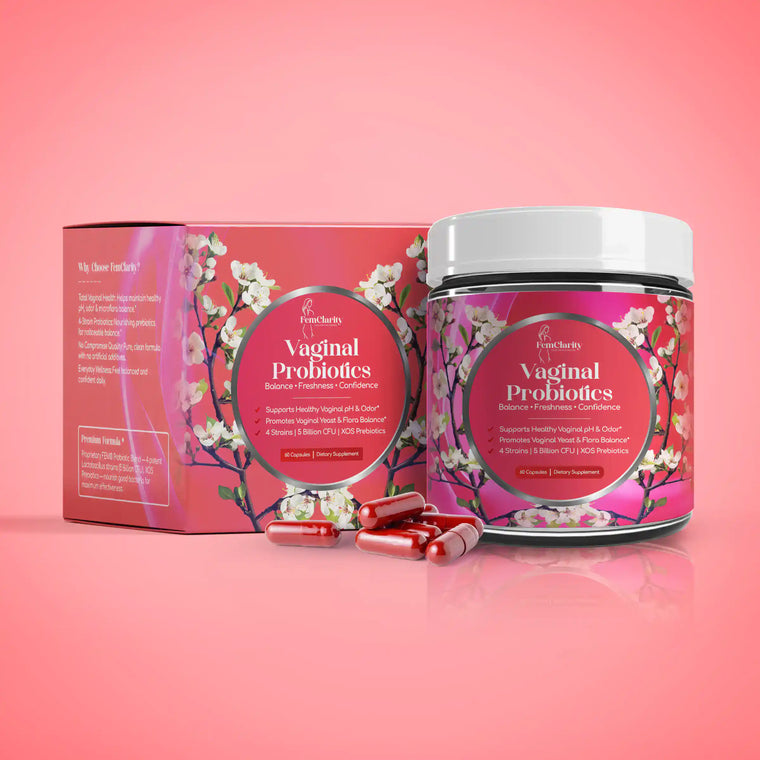
While vaginal probiotics are not a treatment for infections and do not replace medical care, FemClarity Vaginal Probiotics are designed to support a healthy vaginal microbiome, healthy vaginal flora, normal vaginal pH balance, vaginal odor support, and everyday feminine wellness from within.
This kind of support is best viewed as daily wellness support, not a quick fix for strong, unusual, or infection-related odor. If you have persistent odor or symptoms, speak with a healthcare provider.
When to Speak With a Healthcare Provider

You should speak with a healthcare provider if vaginal odor is strong, persistent, unusual, worsening, or paired with other symptoms.
Get medical advice if you notice fishy odor with discharge, itching, burning, pelvic pain, bleeding, fever, pain during sex, pain when urinating, unusual discharge, pregnancy-related concerns, recurring symptoms, or a possible forgotten tampon.
You should also seek care if the odor feels very different from your normal scent or if you are worried. You deserve clear answers, not stress or guesswork.
FAQs About Vaginal Odor
What causes vaginal odor?
Vaginal odor can be caused by normal vaginal fluids, sweat, period blood, sex, hormonal changes, vaginal pH imbalance, changes in vaginal flora, BV-related concerns, yeast-related symptoms, STIs, urine, or a forgotten tampon. Some odor is normal, but strong or unusual odor should be checked if it persists or comes with symptoms.
Is vaginal odor normal?
Yes, mild vaginal odor is normal. The vagina naturally has a scent, and that scent can change throughout your menstrual cycle, after sex, during exercise, or with hormonal changes. Odor becomes more concerning when it is strong, fishy, foul, persistent, or paired with itching, burning, pain, bleeding, fever, or unusual discharge.
Why does my vagina smell fishy?
A fishy vaginal odor is often associated with changes in vaginal bacteria, including BV-related concerns. It may be more noticeable after sex or around your period. A fishy smell does not confirm a diagnosis, so it is best to speak with a healthcare provider if the odor is strong, persistent, or paired with discharge or irritation.
Why does vaginal odor change after my period?
Vaginal odor after period changes can happen because blood has a natural metallic scent. Period products can also trap moisture and make scent stronger. A mild metallic or stronger smell around your period may be normal, but foul odor, pain, fever, or unusual discharge should be checked.
Can sex cause vaginal odor?
Yes, sex can temporarily affect vaginal odor. Semen has a different pH than the vagina, and sexual fluids, sweat, condoms, lubricants, and friction can all change scent. If vaginal odor after sex is strong, fishy, or recurring, or if it comes with irritation, pain, or unusual discharge, speak with a healthcare provider.
Can vaginal pH imbalance cause odor?
Yes, changes in vaginal pH balance can affect odor. The vaginal environment is usually naturally acidic, and pH can be influenced by semen, period blood, antibiotics, hormonal changes, douching, and scented products. When pH balance shifts, vaginal flora may shift too, which can change scent.
Can probiotics help support vaginal odor balance?
Vaginal probiotics may help support healthy vaginal flora, normal vaginal pH balance, and everyday vaginal wellness from within. However, probiotics are not a cure for vaginal odor and do not treat BV, yeast infections, UTIs, STIs, or other medical conditions. Strong or persistent odor should be evaluated by a healthcare provider.
What should I avoid if I have vaginal odor?
Avoid douching, vaginal perfumes, scented pads, scented tampons, vaginal deodorants, and harsh soaps. These products can irritate the vulva and may disrupt vaginal pH balance. The vagina is self-cleaning, so gentle external washing is usually enough for daily care.
When should I see a doctor for vaginal odor?
See a doctor if the odor is strong, foul, fishy, worsening, persistent, or comes with itching, burning, pelvic pain, bleeding, fever, pain during sex, pain when urinating, unusual discharge, pregnancy concerns, or recurring symptoms. You should also seek help if you suspect a forgotten tampon or retained object.
Final Thoughts
Vaginal odor is common, and a mild natural scent is part of having a healthy body. Your scent can shift with your cycle, sex, sweat, hormones, and everyday life. That does not mean your body is dirty or something is automatically wrong.
At the same time, strong, unusual, fishy, foul, or persistent odor should not be ignored, especially when it comes with itching, burning, pain, fever, bleeding, pregnancy concerns, or unusual discharge. In those cases, a healthcare provider can help you understand what is happening and what care may be needed.
For daily support, gentle hygiene, breathable clothing, avoiding scented products, and caring for your vaginal microbiome can all be part of a healthy feminine wellness routine. FemClarity Vaginal Probiotics can be included as daily support for healthy vaginal flora, normal pH balance, vaginal odor support, and intimate wellness from within.