





Vaginal pH Balance Guide: Normal Levels, Signs & How to Support Healthy Vaginal Flora
A change in vaginal odor, discharge, or comfort can make you wonder what is going on with your body. Maybe things feel a little “off” after your period, after sex, or after taking antibiotics. Maybe you are simply trying to understand your vaginal microbiome better so you can support your feminine wellness with more confidence.
This Vaginal pH Balance Guide will walk you through what vaginal pH means, what healthy vaginal pH levels usually look like, what can affect your balance, and how daily habits may support healthy vaginal flora from within.
This article is for educational purposes only and is not medical advice. If you have strong odor, unusual discharge, itching, burning, pelvic pain, bleeding, recurring symptoms, or concerns during pregnancy, speak with a qualified healthcare provider.
What Is Vaginal pH?

Vaginal pH is a measurement of how acidic or alkaline the vaginal environment is. The pH scale runs from 0 to 14. Lower numbers are more acidic, higher numbers are more alkaline, and 7 is considered neutral.
The vagina naturally tends to be slightly acidic. That acidity is part of what helps create a healthy environment for beneficial bacteria, especially Lactobacillus.
A balanced vaginal environment is not about being perfectly the same every day. Your body changes throughout your cycle, after sex, during hormonal shifts, and during different life stages. The goal is not to control every change. The goal is to understand what supports your body’s natural balance and when a change deserves medical attention.
What Is a Healthy Vaginal pH Range?

For many women of reproductive age, a healthy vaginal pH is usually around 3.8 to 4.5. This slightly acidic range helps support healthy vaginal flora and a balanced vaginal microbiome.
That said, vaginal pH levels can shift. Menstrual blood, semen, antibiotics, hormonal changes, menopause, hygiene products, and infections can all influence pH.
It is also important to know that pH alone does not diagnose a condition. At-home pH strips may show whether your vaginal pH is higher than usual, but they cannot tell you exactly why. If symptoms are strong, painful, unusual, or recurring, a healthcare provider can help identify what is actually happening.
Why Vaginal pH Balance Matters
Vaginal pH balance matters because it is closely connected to your vaginal microbiome.
Your vaginal microbiome is the community of microorganisms that live in the vaginal environment. When this microbiome is balanced, beneficial bacteria help maintain healthy vaginal flora and support a normal acidic environment.
When that balance is disrupted, you may notice changes in odor, discharge, comfort, or overall freshness. Some women feel more sensitive around their period, after sex, or after antibiotics. Others notice recurring changes and want to understand how to support their body more consistently.
Supporting vaginal pH balance is really about supporting the environment your vagina needs to function well.
Signs Your Vaginal pH May Be Off

Every woman’s body is different, and normal vaginal scent or discharge can change throughout the month. A mild scent is normal. Clear, white, or slightly creamy discharge can also be normal depending on where you are in your cycle.
However, some changes may suggest that your vaginal pH or vaginal flora may be out of balance.
Common signs of vaginal pH imbalance may include:
- Strong or fishy vaginal odor
- Discharge that looks gray, green, yellow, or very different from usual
- Itching or irritation
- Burning when urinating
- Discomfort during sex
- Unusual dryness or sensitivity
- Symptoms that keep coming back
These symptoms do not always mean the same thing for every person. They may be linked to different causes, which is why it is important not to self-diagnose. If symptoms are persistent, painful, recurring, or unusual for you, check in with a healthcare provider.
What Causes Vaginal pH Imbalance?

Vaginal pH imbalance can happen for many reasons. Often, it is not one single thing. It may be a mix of your cycle, lifestyle, hormones, hygiene habits, sex, or recent antibiotic use.
Periods
Your period can temporarily affect vaginal pH because menstrual blood has a higher pH than the usual vaginal environment. This is one reason some women notice odor or freshness changes around their cycle.
This does not mean something is automatically wrong. Period-related changes are common. But if you notice a strong odor, itching, burning, or unusual discharge that does not improve, it is worth speaking with a healthcare provider.
To support comfort during your period, choose unscented pads, tampons, or liners when possible. Change products regularly and avoid fragranced feminine products that may irritate sensitive skin.
Sex
Sex can also influence vaginal pH. Semen is more alkaline than the vaginal environment, so vaginal pH may rise temporarily after unprotected sex. Some women notice odor or discharge changes after sex because of this shift.
Condoms may help reduce the alkalizing effect of semen while also supporting sexual health. Urinating after sex, gentle external cleansing with water, and avoiding scented products may also help support comfort.
If you notice strong odor, pain, bleeding, burning, or recurring symptoms after sex, do not ignore it. A healthcare provider can help rule out infections or other concerns.
Antibiotics
Antibiotics can be necessary and helpful when prescribed for bacterial infections. But they may also affect beneficial bacteria in the body, including bacteria that help support healthy vaginal flora.
Some women notice vaginal changes after taking antibiotics because the balance of bacteria may shift. This is one reason many women become interested in vaginal probiotics or Lactobacillus probiotics after antibiotic use.
If symptoms appear after antibiotics, especially itching, burning, strong odor, or unusual discharge, talk with your healthcare provider for guidance.
Hormonal Changes
Hormones play a major role in vaginal health. Estrogen helps support the vaginal tissues and the environment where beneficial bacteria can thrive.
Hormonal shifts may happen during:
- The menstrual cycle
- Pregnancy
- Postpartum
- Breastfeeding
- Perimenopause
- Menopause
- Certain birth control changes
During lower-estrogen stages, some women experience dryness, irritation, odor changes, or a higher vaginal pH. If these changes are uncomfortable or ongoing, a healthcare provider can help you understand your options.
Hygiene Products
The vagina is self-cleaning. Internal washing, douching, scented sprays, fragranced wipes, and heavily perfumed washes can disrupt the vaginal environment and irritate delicate skin.
A simple routine is usually better. Clean the vulva, which is the external area, with warm water and a mild, fragrance-free cleanser if needed. Avoid putting soaps or cleansers inside the vagina.
The Vaginal Microbiome and Healthy Vaginal Flora
The vaginal microbiome is one of the most important parts of vaginal wellness. A healthy vaginal microbiome is usually rich in beneficial bacteria, especially Lactobacillus.
Lactobacillus helps produce lactic acid, which supports the naturally acidic vaginal environment. This is one reason Lactobacillus probiotics are often discussed in relation to vaginal pH balance.
Healthy vaginal flora does not mean your body never changes. It means your vaginal environment has the support it needs to stay resilient through normal shifts like periods, sex, stress, and hormonal changes.
How Vaginal Probiotics May Support pH Balance

Vaginal probiotics are supplements designed to support the balance of beneficial bacteria associated with vaginal health. While regular gut probiotics may support digestive wellness, vaginal probiotics are usually formulated with strains chosen for feminine wellness and vaginal flora support.
Probiotics for vaginal pH balance should be discussed carefully. They do not diagnose, treat, cure, or prevent infections. They also do not replace medical care when symptoms are strong, painful, recurring, or unusual.
However, as part of a daily wellness routine, vaginal probiotics may help support a healthy vaginal microbiome, balanced vaginal flora, and normal vaginal pH.
How FemClarity Vaginal Probiotics Fit Into a Daily Feminine Wellness Routine
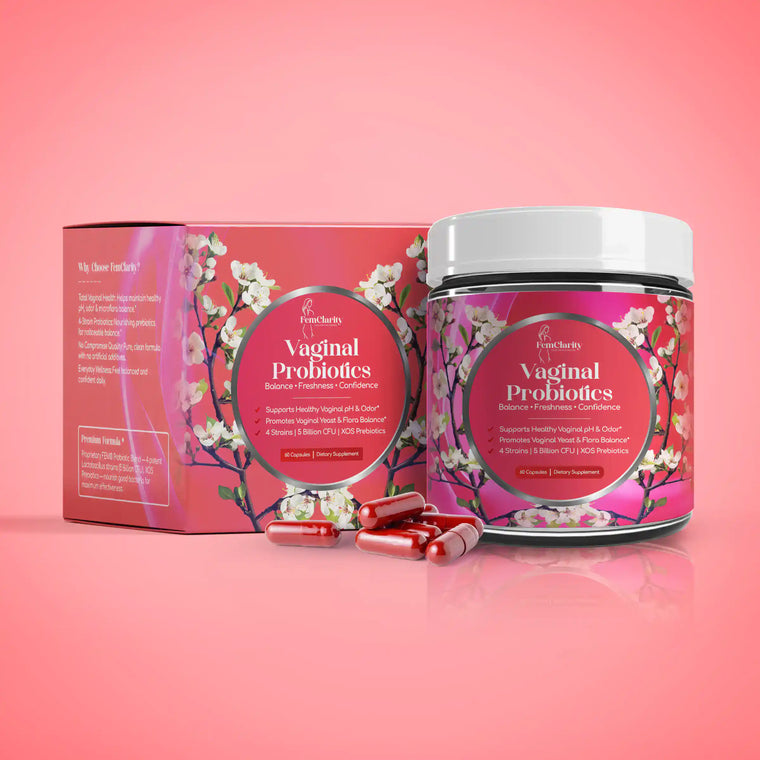
FemClarity Vaginal Probiotics are designed to support a healthy vaginal microbiome, help maintain balanced vaginal flora, support normal vaginal pH, and promote everyday feminine wellness from within.
They can fit naturally into a simple daily routine alongside other supportive habits, such as wearing breathable underwear, avoiding fragranced intimate products, staying hydrated, and listening to your body when something feels different.
Think of a daily vaginal probiotic as wellness support, not a quick fix or medical treatment. If you are experiencing strong odor, unusual discharge, itching, burning, pelvic pain, bleeding, or recurring symptoms, it is always best to speak with a healthcare provider.
Lifestyle Tips to Support Vaginal pH Naturally

Supporting vaginal pH balance does not need to be complicated. Small daily choices can help create a healthier environment for your vaginal flora.
Choose Fragrance-Free Products
Scented washes, sprays, wipes, pads, and tampons may smell nice, but they can irritate the vulva and disrupt the vaginal environment. Fragrance-free is usually the safer choice for intimate care.
Avoid Douching
Douching can wash away beneficial bacteria and disrupt vaginal pH. The vagina cleans itself naturally, so internal cleansing is not needed.
Wear Breathable Underwear
Cotton underwear and breathable fabrics can help reduce moisture buildup. Changing out of sweaty workout clothes or wet swimsuits quickly may also support comfort.
Support Your Gut and Vaginal Microbiome
Your gut and vaginal microbiome are connected through overall microbial and immune health. A balanced diet with fiber-rich foods, fermented foods, fruits, vegetables, and enough protein can support whole-body wellness.
Stay Hydrated
Hydration supports mucous membranes, including vaginal tissues. Drinking enough water will not “fix” vaginal pH, but it can support overall comfort and wellness.
Manage Stress and Sleep
Stress and poor sleep can affect hormones, immune function, and overall health. Gentle movement, rest, and stress management may indirectly support feminine wellness.
What to Avoid When Trying to Support Vaginal pH
Some habits can make irritation or imbalance more likely. Try to avoid:
- Douching
- Scented vaginal sprays
- Fragranced wipes
- Harsh soaps
- Scented pads or tampons
- Leaving sweaty clothes on for long periods
- Using home remedies inside the vagina
- Ignoring recurring symptoms
Be especially cautious with internet trends. Not everything marketed as “natural” is safe for vaginal use. Garlic, essential oils, lemon juice, vinegar, and other DIY remedies should not be inserted vaginally. They can cause irritation, burns, or introduce unwanted bacteria.
When to Speak With a Healthcare Provider
Vaginal pH education can help you understand your body, but it should not replace medical care.
Speak with a healthcare provider if you notice:
- Strong or fishy vaginal odor
- Green, yellow, gray, or unusual discharge
- Itching or burning
- Pain during sex
- Burning when urinating
- Pelvic pain
- Bleeding that is unusual for you
- Symptoms during pregnancy
- Symptoms that keep coming back
- Symptoms that do not improve
A provider can test for possible causes and guide you toward the right care. This is important because different conditions can have overlapping symptoms, and using the wrong product or remedy may make discomfort worse.
What the Experts Think
When it comes to vaginal pH balance, the goal is not to make women feel like their natural scent is a problem. A healthy vagina can have a natural odor, and that odor can change throughout the month.
What matters is paying attention to symptoms that feel unusual, painful, strong, or recurring. Daily habits, gentle hygiene, and microbiome support can be part of a feminine wellness routine, but medical symptoms deserve medical guidance.
FAQs
What is vaginal pH balance?
Vaginal pH balance refers to the natural acidity of the vaginal environment. A balanced pH helps support healthy vaginal flora and a stable vaginal microbiome.
What is a normal vaginal pH?
For many women of reproductive age, normal vaginal pH is usually around 3.8 to 4.5. However, pH can shift during your period, after sex, during hormonal changes, or in different life stages.
What causes vaginal pH imbalance?
Common factors include menstruation, semen, antibiotics, hormonal changes, douching, scented products, stress, and changes in vaginal flora.
How do I know if my vaginal pH is off?
Possible signs of vaginal pH imbalance may include strong odor, unusual discharge, itching, irritation, burning, or discomfort during sex. These symptoms can have different causes, so a healthcare provider should evaluate anything severe, recurring, or unusual.
Can your period change vaginal pH?
Yes. Menstrual blood has a higher pH than the usual vaginal environment, so your pH may temporarily shift during your period. Some women notice odor or discharge changes around this time.
Can sex affect vaginal pH balance?
Yes. Semen is more alkaline than the vaginal environment, so pH may rise temporarily after unprotected sex. If you notice recurring odor, irritation, pain, or unusual discharge after sex, speak with a healthcare provider.
Can probiotics help support vaginal pH balance?
Vaginal probiotics may help support healthy vaginal flora, the vaginal microbiome, and normal vaginal pH as part of a daily wellness routine. They do not cure, treat, or prevent infections and should not replace medical care.
How long does it take to support vaginal pH balance?
It depends on your body, habits, hormones, and what may be causing the change. Daily wellness support is usually about consistency over time. If you have symptoms that are strong, painful, or recurring, do not wait talk with a healthcare provider.
When should I see a doctor for vaginal pH concerns?
See a healthcare provider if you have strong odor, unusual discharge, itching, burning, pelvic pain, bleeding, pregnancy-related concerns, or symptoms that keep coming back.
Final Thoughts
Vaginal pH balance is closely connected to your vaginal microbiome, healthy vaginal flora, and everyday feminine wellness. Your body naturally changes throughout your cycle and life stages, so the goal is not perfection. The goal is understanding what is normal for you, supporting your body gently, and knowing when to ask for medical guidance.
Simple habits like avoiding fragrance, skipping douching, wearing breathable fabrics, staying hydrated, and supporting your microbiome can all be part of a healthier routine.
FemClarity Vaginal Probiotics can be a gentle addition to that routine, helping support healthy vaginal flora, normal vaginal pH, and daily intimate wellness from within.