



Vaginal Microbiome Explained: What It Is and Why It Matters
If you have ever noticed changes in vaginal odor, discharge, comfort, or pH balance, you may have wondered what is actually happening inside your body. The answer often starts with your vaginal microbiome.
In this Vaginal Microbiome Explained guide, we will walk through what the vaginal microbiome is, what healthy vaginal flora means, why good bacteria matter, and how your vaginal pH balance is connected to everyday feminine wellness.
The most important thing to know first is this: bacteria in the vagina are normal. In fact, a healthy vaginal microbiome depends on helpful vaginal bacteria, especially Lactobacillus, to support a balanced environment.
This article is for education only and is not a diagnosis. If you are dealing with strong odor, unusual discharge, itching, burning, pelvic pain, bleeding, or recurring symptoms, it is always best to speak with a healthcare provider.
What Is the Vaginal Microbiome?

The vaginal microbiome is the natural community of microorganisms that live in the vagina. This can include bacteria, yeast, and other tiny organisms that exist together in a delicate environment.
You may also hear it called vaginal flora, vaginal microbiota, intimate flora, or vaginal bacteria. These terms are often used to describe the same basic idea: the natural ecosystem inside the vagina.
A healthy vaginal microbiome is not about being completely free of bacteria. It is about having the right balance of helpful bacteria that support the vaginal environment.
The vagina is designed to care for itself in many ways. It naturally produces discharge, maintains moisture, and supports an acidic pH environment. Helpful bacteria play a major role in that process.
Why the Vaginal Microbiome Matters

Your vaginal microbiome matters because it helps support the natural balance of the vagina. When healthy vaginal flora are present in the right balance, they help create an environment that supports normal vaginal pH and everyday comfort.
A balanced vaginal microbiome is connected to normal vaginal pH, healthy vaginal flora, everyday odor balance, daily intimate comfort, and overall feminine wellness.
This does not mean your vagina should have no scent or no discharge. A healthy vagina can have a natural smell, and discharge can change throughout your cycle.
What matters is paying attention to changes that feel unusual for you, especially if they are strong, painful, recurring, or paired with other symptoms.
What Does Healthy Vaginal Flora Mean?

Healthy vaginal flora refers to the helpful bacteria that naturally live in the vagina and support its environment.
For many women, healthy vaginal flora means Lactobacillus bacteria are present in meaningful amounts. Lactobacillus is often called “good bacteria” because it helps support the vagina’s naturally acidic environment.
A healthy vaginal microbiome is usually balanced, but it is not static. It can shift throughout the month because of hormones, sex, your period, hygiene habits, medications, stress, and age.
So if you notice small changes around your period or after sex, that does not always mean something is wrong. The vaginal microbiome is dynamic. It responds to what is happening in your body and your life.
What Bacteria Are Normally Found in the Vagina?
The vagina can contain different types of bacteria, and the exact mix can vary from person to person.
Some of the most commonly discussed helpful vaginal bacteria are Lactobacillus species, including Lactobacillus crispatus, Lactobacillus gasseri, Lactobacillus jensenii, and Lactobacillus iners.
Lactobacillus is often associated with a healthy vaginal microbiome because it helps support an acidic vaginal environment.
Other bacteria may also be present in smaller amounts. The key is balance. When helpful bacteria are lower and other bacteria become more dominant, some women may notice odor, discharge changes, irritation, or discomfort.
Symptoms should not be self-diagnosed. Vaginal odor, discharge, itching, or burning can have different causes, so it is important to get medical guidance when symptoms are strong, unusual, painful, or recurring.
Why Lactobacillus Is Important for Vaginal Health
Lactobacillusmn is one of the most important types of bacteria for vaginal health.
These helpful bacteria support the vaginal environment in several ways. One of their main roles is helping produce lactic acid, which supports the vagina’s naturally acidic pH.
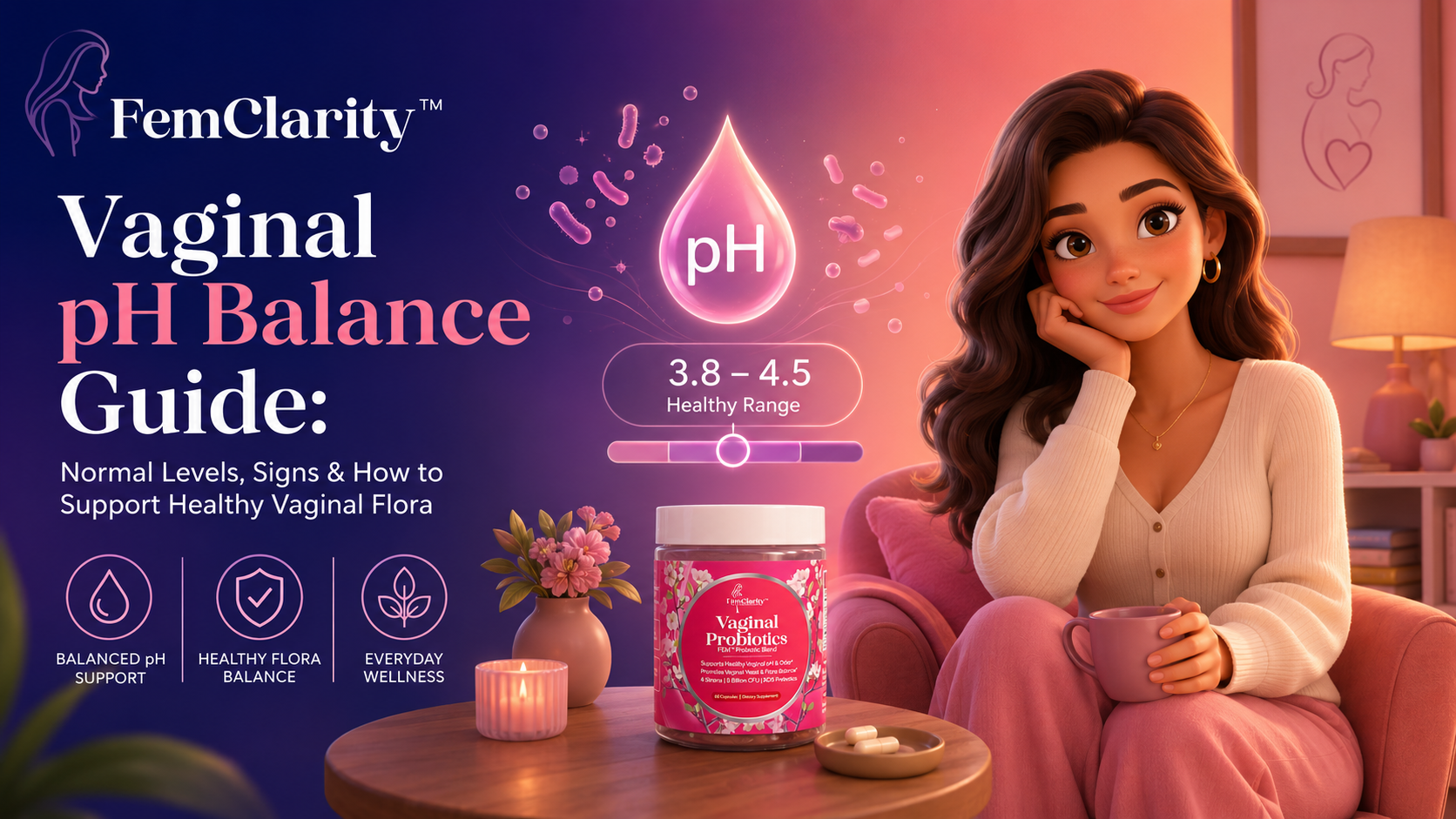
A normal vaginal pH is often acidic, commonly around 3.8 to 5.0 depending on the person, life stage, and situation. This acidic environment helps support balance.
A simple way to understand it is that Lactobacillus supports healthy vaginal flora, healthy vaginal flora support normal vaginal pH, and normal vaginal pH supports everyday vaginal balance.
This is why Lactobacillus is often discussed in conversations about vaginal probiotics, probiotics for vaginal health, and daily feminine wellness routines.
How the Vaginal Microbiome Supports Normal pH Balance

Your vaginal microbiome and vaginal pH balance are closely connected.
When Lactobacillus bacteria are present, they help produce lactic acid. Lactic acid supports the vagina’s naturally acidic environment. This is one reason Lactobacillus is considered important for a healthy vaginal microbiome.
Vaginal pH can shift for many normal reasons, including your period, semen after sex, hormonal changes, antibiotics, pregnancy, menopause, certain hygiene products, or scented intimate care products.
Not every pH shift means something is wrong. Some changes are temporary. But if changes come with strong odor, unusual discharge, itching, burning, pelvic pain, bleeding, or symptoms that keep returning, it is time to speak with a healthcare provider.
How Vaginal pH and Vaginal Flora Work Together
Vaginal flora and vaginal pH balance affect each other.
When healthy vaginal flora are supported, the vaginal environment is better able to maintain its normal acidic state. When the vaginal environment changes, it may also influence which bacteria are more likely to thrive.
Think of it like a garden. The soil affects what grows, and what grows affects the soil. In the same way, vaginal pH can influence vaginal bacteria, and vaginal bacteria can influence vaginal pH.
This is why daily feminine wellness is not just about one thing. It can include gentle hygiene, breathable clothing, hydration, nutrition, stress support, and vaginal health supplements when appropriate.
What Can Disrupt the Vaginal Microbiome?

The vaginal microbiome can shift for many reasons. Some changes are part of normal life, while others may need medical attention.
Your period may temporarily affect pH because menstrual blood has a higher pH than the vagina’s usual acidic environment. Sex may also influence vaginal flora because semen has a higher pH than the vagina.
Antibiotics can affect bacteria throughout the body, including helpful bacteria. Hormonal changes from birth control, pregnancy, postpartum, perimenopause, or menopause may also influence vaginal moisture, comfort, and balance.
Lifestyle factors can play a role too. Stress, smoking, scented washes, douching, tight non-breathable clothing, and staying in sweaty workout clothes for long periods may affect how the vaginal environment feels.
These factors do not always cause a problem. They simply may influence the vaginal environment. The goal is not to control every small change. The goal is to understand your body, support healthy habits, and know when symptoms deserve medical care.
Signs Your Vaginal Microbiome May Be Out of Balance
Every woman’s body is different, but changes in vaginal flora may sometimes come with stronger-than-usual vaginal odor, unusual discharge, itching, burning, irritation, discomfort during sex, discomfort when urinating, or a recurring feeling that something is “off.”
These symptoms can happen for many reasons, including infections, irritation, hormonal changes, allergies, or other health concerns.
Do not use symptoms alone to diagnose yourself. If symptoms are strong, painful, unusual, recurring, or paired with pelvic pain, bleeding, fever, pregnancy concerns, or possible STI exposure, contact a healthcare provider.
How Periods Can Affect Vaginal Flora
Your period can temporarily affect vaginal pH balance.
Menstrual blood has a higher pH than the vagina’s usual acidic environment. Because of this, some women notice temporary odor or discharge changes during or shortly after their period.
This does not automatically mean something is wrong. For many women, things return to normal after their period ends.
During your period, it may help to change pads, tampons, or cups regularly, avoid scented period products if they irritate you, and wash the vulva gently with water or a mild fragrance-free cleanser. Douching is not recommended because the vagina cleans itself internally.
If odor is very strong, discharge seems unusual, or itching and burning continue after your period, it is worth checking in with a healthcare provider.
How Sex Can Affect the Vaginal Microbiome
Sex can also influence the vaginal microbiome.
Semen has a higher pH than the vagina, so it may temporarily shift vaginal pH. Lubricants, condoms, friction, and new partners may also affect how your vagina feels.
Some women notice changes in odor or discharge after sex. Occasional temporary changes can happen, but strong, fishy, painful, or recurring symptoms should be discussed with a healthcare provider.
Helpful habits may include urinating after sex, using condoms if appropriate, choosing gentle body-safe lubricants, avoiding scented products around the vulva, and not douching after sex.
Your body is not dirty after sex. The vagina is naturally self-cleaning internally. Gentle external cleansing is usually enough.
How Antibiotics Can Affect Healthy Vaginal Bacteria
Antibiotics are important medications and should be used when prescribed. However, antibiotics can affect bacteria throughout the body, including helpful bacteria.
Some women notice vaginal changes after antibiotics because the balance of bacteria may shift. This is one reason many people become interested in probiotics for vaginal health.
If you are prescribed antibiotics, follow your healthcare provider’s instructions. Do not stop medication early unless your provider tells you to. If you notice vaginal symptoms during or after antibiotics, ask your provider what is appropriate for your situation.
How Hormones, Pregnancy, Perimenopause, and Menopause May Influence Vaginal Balance
Hormones can affect the vaginal microbiome, moisture, tissue comfort, and pH.
During pregnancy, hormonal shifts may influence vaginal discharge and vaginal flora. Because pregnancy changes can be complex, any unusual odor, itching, burning, bleeding, pelvic pain, or discharge concerns during pregnancy should be discussed with a healthcare provider.
During perimenopause and menopause, estrogen levels often change. Lower estrogen can affect vaginal moisture, tissue comfort, and pH balance. Some women experience dryness, irritation, odor changes, or discomfort during this stage.
These changes are common, but that does not mean you have to ignore them. A healthcare provider can help you understand what is normal for your life stage and what support options may be helpful.
Lifestyle Choices That May Support Vaginal Microbiome Health

Supporting a healthy vaginal microbiome does not need to be complicated. Small daily habits can make a difference in your overall feminine wellness routine.
The vagina cleans itself internally, so you do not need to douche, steam, or use scented products inside the vagina. For external cleansing, water or a mild fragrance-free cleanser on the vulva is usually enough.
Breathable clothing can also help with everyday comfort. Cotton underwear, loose-fitting clothing when possible, and changing out of wet swimsuits or sweaty workout clothes may support a more comfortable intimate environment.
Your whole-body wellness matters too. A balanced diet, hydration, sleep, and stress support all play a role in how your body feels. While no single habit guarantees vaginal balance, caring for your overall wellness can support your intimate wellness routine.
It is also helpful to be mindful of new products. Scented pads, fragranced wipes, harsh soaps, and some lubricants may irritate some women. If you notice symptoms after using a new product, stop using it and speak with a provider if symptoms continue.
The Role of Vaginal Probiotics
Vaginal probiotics are supplements designed to support healthy vaginal flora. Many focus on Lactobacillus because of its connection to vaginal pH balance and the vaginal microbiome.
A vaginal probiotic is not the same thing as a medication. It should not be used as a treatment for BV, yeast infections, UTIs, or any medical condition. It also should not replace care from a licensed healthcare provider.
Instead, vaginal probiotics may be used as part of a daily feminine wellness routine to support a healthy vaginal microbiome, healthy vaginal flora, normal vaginal pH, daily intimate wellness, and everyday freshness support.
If you are currently dealing with symptoms, it is best to speak with a provider before assuming a supplement is the right answer.
How FemClarity Vaginal Probiotics Fit Into a Daily Feminine Wellness Routine

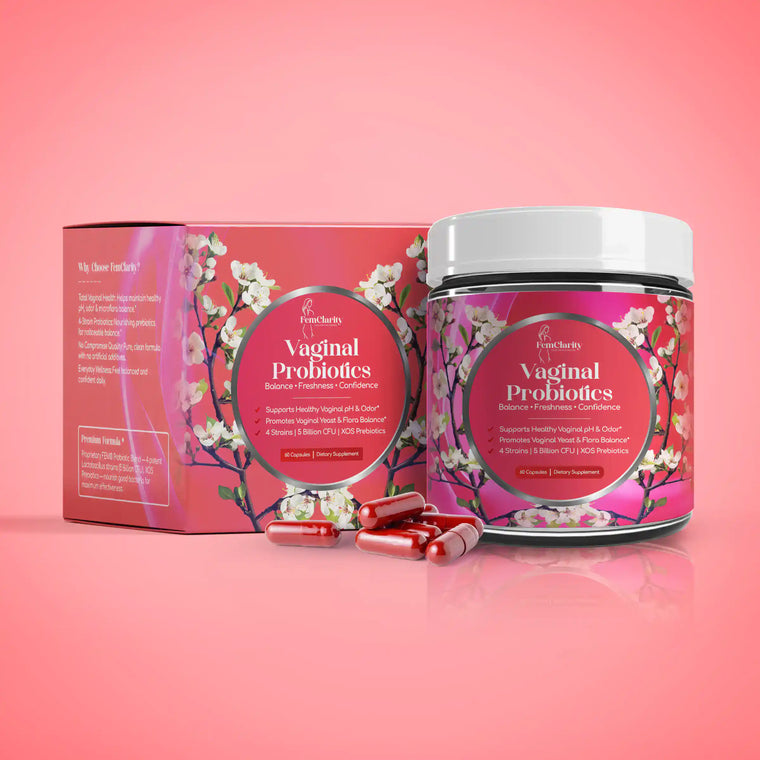
FemClarity Vaginal Probiotics are designed to support healthy vaginal flora, normal pH balance, and everyday feminine wellness from within.
They can fit into a simple daily routine alongside gentle hygiene, breathable clothing, hydration, and regular medical care when needed.
FemClarity Vaginal Probiotics are not intended to diagnose, treat, cure, or prevent infections or medical conditions. But for women looking for a daily vaginal probiotic or vaginal health supplement to support their intimate wellness routine, they offer a gentle, wellness-focused option.
When to Speak With a Healthcare Provider
It is always okay to ask for help with vaginal symptoms. You do not have to wait until symptoms feel unbearable.
Speak with a healthcare provider if you notice strong or unusual vaginal odor, unusual discharge, itching, burning, pelvic pain, bleeding that is not normal for you, pain during sex, pain when urinating, symptoms during pregnancy, symptoms after possible STI exposure, or symptoms that keep coming back.
Vaginal symptoms can have different causes. A proper evaluation can help you understand what is happening and what care may be appropriate.
FAQs
What is the vaginal microbiome?
The vaginal microbiome is the natural community of bacteria and other microorganisms that live in the vagina. A healthy vaginal microbiome usually includes helpful bacteria that support vaginal flora and normal pH balance.
Why is the vaginal microbiome important?
The vaginal microbiome is important because it helps support the vagina’s natural environment. It is connected to healthy vaginal flora, normal vaginal pH, odor balance, and everyday feminine wellness.
What is healthy vaginal flora?
Healthy vaginal flora means the vagina has a balanced community of microorganisms, often with helpful bacteria such as Lactobacillus. This balance supports normal vaginal pH and daily intimate health.
What bacteria are good for vaginal health?
Lactobacillus is one of the most commonly discussed good bacteria for vaginal health. Lactobacillus helps support the vagina’s naturally acidic environment and is often associated with healthy vaginal flora.
How do I know if my vaginal microbiome is off?
You cannot know for sure without proper testing or medical guidance. However, symptoms such as strong odor, unusual discharge, itching, burning, irritation, pelvic pain, or recurring symptoms may be signs that you should speak with a healthcare provider.
Can periods affect the vaginal microbiome?
Yes, your period can temporarily affect vaginal pH and vaginal flora. Menstrual blood has a higher pH than the vagina’s usual acidic environment, so some women notice temporary odor or discharge changes around their period.
Can sex affect vaginal flora?
Yes, sex may temporarily influence vaginal pH and vaginal flora. Semen, lubricants, condoms, friction, and new partners can all affect the vaginal environment. If symptoms are strong or recurring, speak with a healthcare provider.
Can antibiotics disrupt vaginal bacteria?
Antibiotics can affect bacteria throughout the body, including helpful bacteria. Some women notice vaginal changes after taking antibiotics. If this happens, ask your healthcare provider what support options may be appropriate.
Can probiotics support vaginal microbiome balance?
Vaginal probiotics may support healthy vaginal flora, normal vaginal pH, and everyday feminine wellness. They should not be used to diagnose, treat, cure, or prevent infections or replace medical care.
When should I see a doctor for vaginal symptoms?
You should speak with a healthcare provider if you have strong odor, unusual discharge, itching, burning, pelvic pain, bleeding, pain during sex, symptoms during pregnancy, or symptoms that keep returning.
Final Thoughts
Your vaginal microbiome is an important part of your intimate health. It includes vaginal bacteria, especially helpful bacteria like Lactobacillus, that support healthy vaginal flora and normal vaginal pH balance.
Changes in odor, discharge, or comfort can feel stressful, but they are also common reasons women look for answers. Understanding the vaginal microbiome can help you feel more informed, more confident, and less alone.
The goal is not to make your body feel like a problem. The goal is to support your natural balance with gentle habits, smart education, and medical guidance when symptoms need attention.
FemClarity Vaginal Probiotics can be part of a daily feminine wellness routine by supporting a healthy vaginal microbiome, balanced vaginal flora, and normal vaginal pH from within.