





Can a Yeast Infection Delay Your Period? What to Know About Late Periods and Vaginal Health
A late period can make your mind go straight into panic mode, especially when you are also dealing with itching, irritation, unusual discharge, or that uncomfortable “something feels off” feeling. It is completely understandable to wonder: Can a yeast infection delay your period?
The simple answer is: a yeast infection usually does not directly delay your period. Your menstrual cycle is mainly controlled by hormones, while a yeast infection affects the vaginal environment. But yeast infection symptoms and a late period can happen at the same time because of stress, hormonal changes, pregnancy, illness, medications, or shifts in your vaginal microbiome.
So before you spiral, take a breath. A late period does not automatically mean something is wrong. And yeast infection symptoms do not mean you have caused anything bad to happen. Your body may simply be responding to a mix of hormones, lifestyle changes, stress, and vaginal pH shifts.
Let’s walk through what may be going on, when to pay attention, and how to support your vaginal health in a calm, realistic way.
Understanding Yeast Infections

A vaginal yeast infection happens when yeast, most commonly a type called Candida, grows more than usual in the vagina. Candida can naturally live in the body, but when the vaginal environment gets out of balance, yeast may overgrow and cause symptoms.
Common yeast infection symptoms may include:
- Vaginal itching
- Burning or irritation
- Redness or swelling around the vulva
- Thick white discharge that may look like cottage cheese
- Discomfort during sex
- Burning when urine touches irritated skin
Yeast infections are common, and they are not a sign that you are dirty. Your vagina has its own delicate ecosystem made up of bacteria, yeast, moisture, hormones, and pH levels. When that balance shifts, symptoms can show up.
Some common factors that may contribute to yeast overgrowth include antibiotics, hormonal changes, uncontrolled blood sugar, tight or non-breathable clothing, pregnancy, a weakened immune system, or irritating products such as scented washes and douches.
That said, vaginal symptoms can overlap. What feels like yeast may sometimes be bacterial vaginosis, a urinary tract infection, an STI, irritation, or another vaginal health issue. If symptoms are new, severe, recurring, or unusual for you, it is best to check in with a healthcare provider.
Yeast Infection and Menstrual Cycle: How Are They Connected?
Your menstrual cycle is guided by hormonal changes. Estrogen and progesterone rise and fall throughout the month to support ovulation, prepare the uterine lining, and trigger your period if pregnancy does not happen.
A yeast infection affects the vagina, not the uterus or ovaries. That is why yeast infections are not usually considered a direct cause of delayed periods.
However, your menstrual cycle and vaginal health are connected in a few important ways.
Hormonal changes can affect your vaginal microbiome, which is the community of bacteria and yeast living in the vagina. A healthy vaginal microbiome is often rich in Lactobacillus, a type of beneficial bacteria that helps maintain normal vaginal pH balance.
When hormones shift, your vaginal pH and moisture levels may shift too. This can make some women more likely to notice itching, irritation, odor changes, or discharge changes around certain times of the month.
That is why you may feel like your yeast infection and menstrual cycle are linked. In many cases, the timing is real but the yeast infection itself is usually not what is stopping your period from arriving.
Can a Yeast Infection Delay Your Period?

So, can a yeast infection delay your period?
In most cases, no. A yeast infection does not directly control ovulation or menstrual bleeding. Your period is delayed when something affects the hormonal signals that regulate your cycle.
But there are a few reasons why you may notice a yeast infection and late period at the same time.
First, stress can affect your cycle. Dealing with uncomfortable symptoms, worrying about pregnancy, not sleeping well, or feeling anxious can all add stress to your body. Stress may interfere with hormone signals and make your period come later than expected.
Second, hormonal changes may cause both symptoms at once. For example, the days before your period can bring shifts in vaginal pH, moisture, and discharge. These changes may make yeast symptoms more noticeable right when you are expecting your period.
Third, pregnancy can cause a missed period and may also change vaginal discharge. A yeast infection is not a reliable sign of pregnancy, but if pregnancy is possible and your period is late, taking a pregnancy test is a smart next step.
Fourth, another health factor may be causing the late period while yeast symptoms are happening separately. Illness, medications, PCOS, thyroid issues, intense exercise, major weight changes, and hormonal birth control can all affect cycle timing.
So the more accurate answer is this: a yeast infection usually does not make your period late by itself, but the same body changes that affect your cycle may also affect your vaginal health.
Can a Yeast Infection Make Your Period Late?
Many women search “can a yeast infection make your period late” because the timing feels too connected to ignore. You may have itching, discharge, irritation, and then your period does not show up when expected.
That can feel scary, but timing does not always mean cause.
A yeast infection can make you feel uncomfortable, stressed, and hyper-aware of every body change. That emotional stress may contribute to a delayed period in some people. But the yeast infection itself is not usually the direct reason your uterus delays bleeding.
If your period is only a day or two late, it may simply be normal cycle variation. Many cycles naturally shift a little from month to month.
If your period is more than a week late, pregnancy is possible, or your symptoms feel unusual, it is better to take a pregnancy test and/or contact a healthcare provider for guidance.
Yeast Infection Before Period: Why It Happens

Getting a yeast infection before period is a common pattern for some women. It can feel like clockwork: your period is coming, and suddenly you notice itching, irritation, or thick discharge.
This may happen because hormone levels shift in the days leading up to menstruation. These changes can affect the vaginal environment, including pH balance, moisture, and the balance of healthy vaginal flora.
Your vagina is naturally slightly acidic. That acidity helps support a healthy vaginal microbiome. Lactobacillus bacteria play an important role because they help produce lactic acid, which supports normal vaginal pH.
When hormones fluctuate, especially before your period, the vaginal environment may become more sensitive. Some women notice more irritation, discharge changes, or recurring yeast-like symptoms around this time.
Period products, moisture, blood, tight clothing, or scented hygiene products may also contribute to irritation during your cycle.
If this happens once in a while, it may not be a major concern. But if you notice symptoms almost every month, or if symptoms keep coming back after treatment, it is worth discussing with a healthcare provider. Recurring symptoms may need a proper diagnosis and a different care plan.
Missed Period and Yeast Infection: Should You Think About Pregnancy?
A missed period and yeast infection symptoms can happen together, and pregnancy is one reason to consider.
Pregnancy can cause a missed period. It can also change vaginal discharge and hormone levels. Some pregnant women may be more prone to yeast infections because of hormonal changes, but yeast infection symptoms alone do not confirm pregnancy.
If your period is late and you have had sex where pregnancy is possible, take a home pregnancy test. For the most accurate result, follow the test instructions carefully and use first-morning urine if testing early.
If the test is negative but your period still does not come, test again in a few days or contact your healthcare provider. Sometimes testing too early can lead to a false negative.
You should also speak with a healthcare provider if you are pregnant or think you may be pregnant and have yeast infection symptoms. Not every treatment is appropriate during pregnancy, so it is better to get safe guidance.
Other Causes of a Delayed Period

A late period can happen for many reasons. Yeast infection symptoms may be distracting, but they may not be the main reason your cycle is off.
Common causes of a delayed period include:
Pregnancy
This is one of the most common reasons for a missed period if pregnancy is possible.
Stress
Emotional stress, lack of sleep, work pressure, relationship stress, or anxiety about symptoms can affect hormones that regulate ovulation.
Illness
Being sick, recovering from an infection, or dealing with inflammation in the body can temporarily affect your cycle.
Hormonal Changes
Your hormones naturally shift due to age, birth control, postpartum changes, breastfeeding, or perimenopause.
Medications
Some medications, including hormonal birth control, emergency contraception, antidepressants, and certain medical treatments, may affect period timing.
PCOS
Polycystic ovary syndrome can cause irregular periods, missed periods, acne, hair growth changes, and other hormonal symptoms.
Thyroid Issues
Both underactive and overactive thyroid conditions can affect menstrual cycle regularity.
Weight Changes
Significant weight loss or weight gain can influence hormones and ovulation.
Excessive Exercise
Very intense exercise or sudden changes in activity level may delay or disrupt periods.
Travel or Routine Changes
Time zone shifts, poor sleep, diet changes, or major schedule changes can sometimes throw off your cycle.
If your period is repeatedly irregular, very heavy, very painful, or missing for several months, it is important to seek medical guidance.
How Many Days Can a Period Be Late?
A period being a few days late can be normal. Menstrual cycles are not always perfectly predictable, even if you usually feel regular.
Many cycles fall somewhere between 21 and 35 days, but your personal “normal” matters too. If your period usually arrives every 28 days and suddenly comes on day 31, that may simply be a small variation.
A period is often considered late when it is more than a few days past when you expected it. If it is about a week late and pregnancy is possible, take a pregnancy test.
If your period is more than 90 days absent and you are not pregnant, or if missed periods happen repeatedly, it is time to speak with a healthcare provider.
Diagnosis and Treatment: What to Do If You Think You Have a Yeast Infection

It can be tempting to self-diagnose a yeast infection, especially if you have had one before. But vaginal symptoms can be tricky because yeast, BV, UTIs, STIs, allergic reactions, and irritation can share similar signs.
A healthcare provider may diagnose a yeast infection by reviewing your symptoms, doing a pelvic exam, and testing a sample of vaginal discharge if needed.
Yeast infections are commonly treated with antifungal medications. These may be available as creams, suppositories, or oral medication depending on the situation. Some are available over the counter, while others require a prescription.
You should contact a healthcare provider if:
- This is your first suspected yeast infection
- Symptoms are severe
- Symptoms keep coming back
- You are pregnant or may be pregnant
- You have pelvic pain, fever, unusual bleeding, or sores
- Over-the-counter treatment does not help
- You are unsure whether it is yeast, BV, UTI, or something else
Do not ignore symptoms that feel different from your usual pattern. Getting the right diagnosis matters because different vaginal conditions need different care.
Prevention and Everyday Vaginal Health Support

You cannot control every hormone shift or every vaginal change, but you can support a healthier vaginal environment with gentle daily habits.
Here are simple ways to support vaginal wellness:
Avoid Douching
Your vagina is self-cleaning. Douching can disrupt vaginal pH balance and healthy vaginal flora.
Skip Scented Products
Scented washes, sprays, wipes, and deodorants may irritate sensitive vulvar and vaginal skin.
Wear Breathable Underwear
Cotton underwear and breathable fabrics can help reduce trapped moisture.
Change Out of Sweaty Clothes
After workouts or swimming, changing into dry clothes can help keep the area more comfortable.
Use Gentle Hygiene
Wash the vulva with water or a gentle, fragrance-free cleanser. You do not need to wash inside the vagina.
Support Blood Sugar Balance
For some people, blood sugar changes may influence yeast overgrowth. If you have diabetes or blood sugar concerns, work with a healthcare provider.
Practice Safer Sex
Condoms, communication, and STI testing when needed are all part of vaginal and sexual health.
Pay Attention to Patterns
If symptoms show up before every period, after sex, after antibiotics, or with certain products, tracking patterns can help you and your provider understand what may be triggering irritation.
Probiotics and Vaginal Microbiome Support

Your vaginal microbiome plays a major role in everyday vaginal comfort. A balanced vaginal microbiome usually includes beneficial bacteria, especially Lactobacillus species, that help support healthy vaginal flora and normal vaginal pH.
This is where vaginal probiotics may fit into a feminine wellness routine.
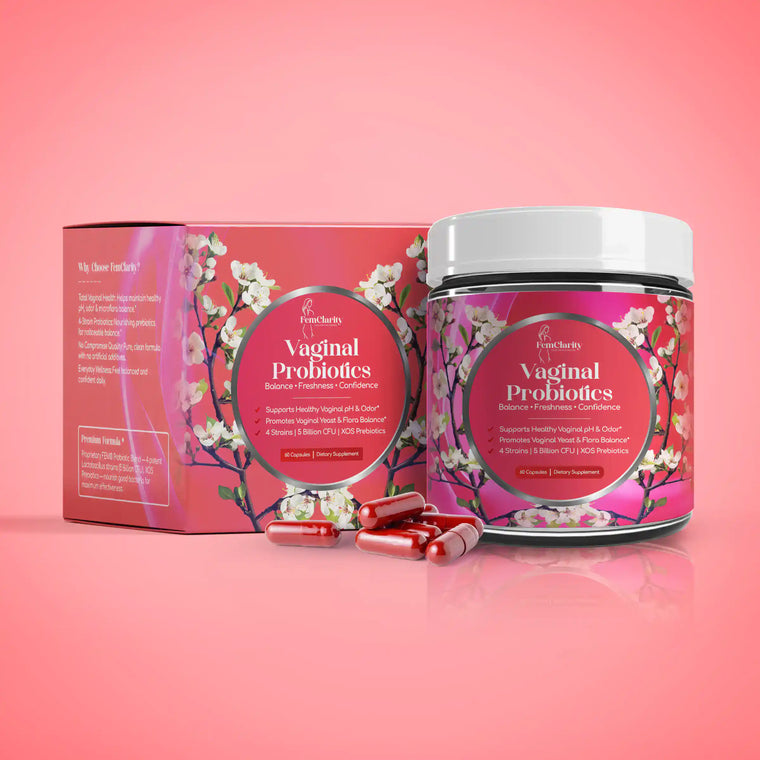
FemClarity Vaginal Probiotics are designed to support a healthy vaginal microbiome, help maintain balanced vaginal flora, support normal vaginal pH, and promote everyday feminine wellness from within.
This does not mean probiotics cure yeast infections. They do not replace antifungal medication, medical diagnosis, or care from a healthcare provider. If you have an active infection, severe symptoms, or recurring symptoms, it is important to get proper medical guidance.
Think of vaginal probiotics as support for the environment not a rescue treatment for an infection.
For women who feel like their vaginal balance is easily thrown off by hormones, periods, stress, sex, antibiotics, or lifestyle changes, daily microbiome support may be a gentle part of their overall routine.
Where FemClarity Fits Into Your Routine
FemClarity is built around the idea that feminine wellness should feel supportive, not shame-based. Vaginal health is not about masking symptoms with harsh scents or trying to make your body smell like something it is not.
Your vagina has a natural scent. Your discharge can change throughout the month. Your pH may shift with your cycle. And sometimes, your body needs extra support from gentle habits, medical care when needed, and a consistent wellness routine.
FemClarity Vaginal Probiotics support:
- A healthy vaginal microbiome
- Balanced vaginal flora
- Normal vaginal pH
- Everyday feminine wellness from within
- Odor support connected to vaginal balance
They are not a treatment for yeast infections or late periods. But they can be part of a thoughtful vaginal wellness routine, especially if you are focused on supporting balance from the inside out.
When to Seek Medical Help

A late period and vaginal symptoms are not always an emergency, but there are times when you should not wait it out.
Contact a healthcare provider if:
- Your period is late and pregnancy is possible
- You have a positive pregnancy test and vaginal symptoms
- You have pelvic pain or lower abdominal pain
- You have fever, chills, or feel very unwell
- You notice unusual bleeding
- You have sores, blisters, or painful bumps
- Your discharge has a strong fishy odor
- Symptoms keep coming back
- Over-the-counter treatment does not help
- This is your first time having these symptoms
- You are unsure what is causing the symptoms
Your body is not something to be embarrassed about. Getting checked is a form of self-care.

Disclaimer: This blog is for informational and educational purposes only and is not intended to diagnose, treat, cure, or prevent any disease. Statements about supplements have not been evaluated by the Food and Drug Administration. For more information about vaginal infections, visit the CDC or speak to a licensed healthcare provider.
FAQs
Can a yeast infection make your period late?
Usually, no. A yeast infection does not directly control your menstrual cycle. However, stress, hormonal changes, pregnancy, illness, medications, or other health factors can delay your period and may happen around the same time as yeast infection symptoms.
How many days can a period be late?
A period can be a few days late due to normal cycle variation. If your period is about a week late and pregnancy is possible, take a pregnancy test. If missed or irregular periods keep happening, speak with a healthcare provider.
Can stress from a yeast infection delay your period?
Stress can affect your cycle. If yeast infection symptoms are making you anxious, uncomfortable, or disrupting your sleep, that stress may contribute to a late period. But the infection itself is usually not the direct cause.
Can yeast infection symptoms mean pregnancy?
Yeast infection symptoms do not confirm pregnancy. However, pregnancy can cause a missed period and may also affect vaginal discharge or yeast overgrowth in some women. If pregnancy is possible and your period is late, take a pregnancy test.
Should I take a pregnancy test if I have a yeast infection and missed period?
Yes, if pregnancy is possible. A missed period is one of the clearest reasons to test. If the test is negative but your period still does not come, test again in a few days or contact your healthcare provider.
Can probiotics help with vaginal balance?
Vaginal probiotics may help support a healthy vaginal microbiome, balanced vaginal flora, and normal vaginal pH. They do not cure or treat yeast infections, but they can be part of a daily feminine wellness routine.
Why do I get a yeast infection before my period?
Hormonal changes before your period can affect vaginal pH, moisture, and healthy vaginal flora. These shifts may make some women more likely to notice yeast-like symptoms before menstruation.
Is it yeast or BV?
Yeast infections often cause itching, irritation, and thick white discharge. BV is more often linked with thin grayish discharge and a fishy odor. Because symptoms can overlap, it is best to get checked if you are unsure.
Can a yeast infection stop your period from coming?
A yeast infection itself usually does not stop your period. If your period is delayed, look at other possible causes such as pregnancy, stress, hormonal changes, illness, medications, PCOS, thyroid issues, or lifestyle changes.
When should I see a doctor for a late period and yeast infection symptoms?
See a healthcare provider if pregnancy is possible, symptoms are severe, symptoms keep returning, you have pelvic pain or unusual bleeding, or treatment does not help. You should also get medical guidance if you are pregnant or think you may be.
Final Thoughts
So, can a yeast infection delay your period? Usually, no not directly. A yeast infection affects the vaginal environment, while your period is controlled by hormones. But a yeast infection and late period can happen at the same time because of stress, pregnancy, hormonal shifts, illness, medications, PCOS, thyroid issues, or lifestyle changes.
If your period is late and pregnancy is possible, take a pregnancy test. If symptoms are severe, recurring, unusual, or confusing, check in with a healthcare provider.
And remember: vaginal health is not about shame or quick fixes. It is about understanding your body, noticing patterns, getting care when you need it, and supporting balance gently.
FemClarity Vaginal Probiotics can be part of that daily support system by helping maintain a healthy vaginal microbiome, balanced vaginal flora, normal vaginal pH, and everyday feminine wellness from within.